Building Better Requires More Than Building Faster
Construction projects continue to face increasing pressure. Owners want facilities operational sooner. Developers seek faster project delivery. Contractors must navigate workforce shortages, material availability, and increasingly complex project requirements.
As a result, project teams are constantly evaluating methods that can support efficient construction while maintaining quality, durability, and long-term value. Tilt-up construction continues to play an important role in that conversation.
However, one of the most important lessons learned from modern projects is that success is not measured solely by how quickly a building is completed. Success is measured by how effectively a facility supports its intended purpose throughout its lifecycle.
The Industry Has Moved Beyond Speed Alone
Tilt-up construction has long been associated with schedule efficiency. Today, owners and project teams are evaluating projects through a broader lens.
Questions increasingly include: How will the facility perform over time? How adaptable is the building? What maintenance requirements should be anticipated? How does construction strategy affect long-term ownership?
These considerations have elevated the importance of lifecycle value alongside construction schedules. The most successful projects balance immediate delivery requirements with long-term performance objectives.
Constructability Begins Long Before Construction
A consistent lesson across construction projects is that efficiency is usually created during planning rather than during construction.
Project outcomes are influenced by early coordination, site logistics, sequencing decisions, design collaboration, material planning, and construction methodology.
When these elements align, project teams place themselves in a stronger position to support schedule objectives while maintaining quality and constructability. Many of the challenges that create delays in construction can often be traced back to decisions made long before work begins in the field.
Workforce Challenges Continue to Influence Project Delivery
Workforce availability remains one of the defining issues facing the construction industry. Contractors across the country continue working to address skilled-labor shortages while supporting increasing demand for industrial, logistics, manufacturing, and commercial facilities.
This reality has encouraged greater focus on construction approaches that improve labor efficiency through planning, coordination, and repeatable processes. The lesson is not that labor becomes less important. The lesson is that project teams must maximize the effectiveness of available resources.
Efficiency is increasingly becoming a competitive advantage.
Implementation Experience Matters
Construction systems do not create successful projects on their own. Project outcomes depend on how they are planned, coordinated, and executed.
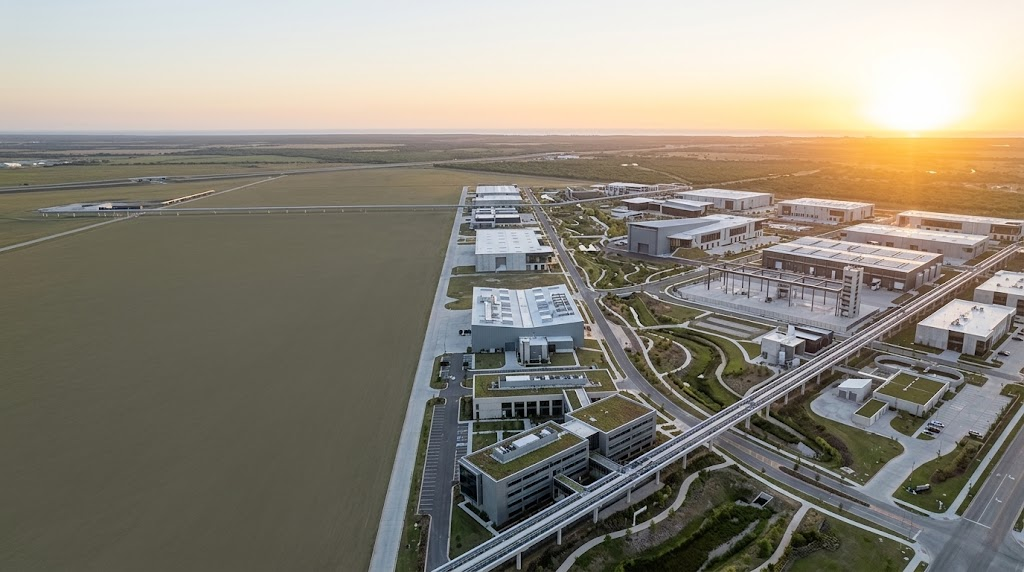
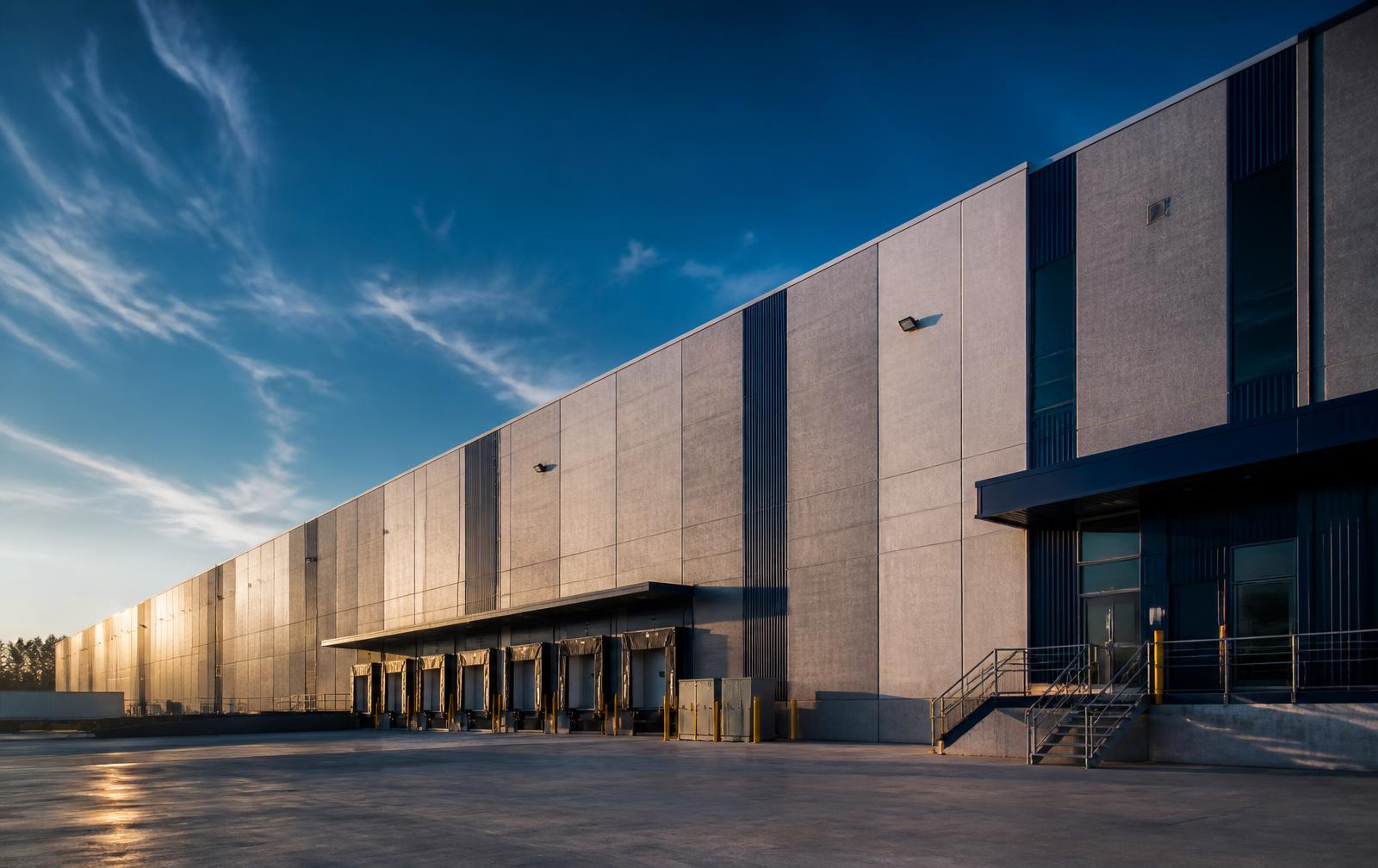
The PGT Trucking terminal development in Laredo, Texas utilized the Hi-Tek Tilt™ system with implementation through Park Avenue Construction. The project serves as an industry example for evaluating lifecycle-value considerations in logistics-facility development, without making unsupported assumptions regarding cost, schedule, energy, or performance outcomes.
Examples like this highlight an important point: construction methods are only one part of the project equation. Implementation experience, coordination, and execution remain critical components of successful project delivery.
Lifecycle Value Is Becoming a Primary Decision Factor
Owners are increasingly evaluating projects based on long-term ownership considerations. A lifecycle-value perspective may include questions such as: Will the facility support future growth? What maintenance requirements should be anticipated? How adaptable is the building? How will operational needs evolve over time?
These questions move the conversation beyond project completion and toward long-term asset performance. Increasingly, owners are looking for facilities that create value throughout their useful life rather than simply meeting immediate project requirements.
Durability Remains Part of the Equation
Schedule performance often receives attention during project development. Durability determines how effectively an asset continues performing after occupancy.
Long-term building performance is influenced by many factors, including design, construction quality, maintenance planning, environmental conditions, and operational use. That is why experienced project teams increasingly evaluate project success using multiple criteria rather than relying on a single metric.
Construction speed matters. So do durability, operational performance, and lifecycle value.
Looking Ahead
The future of construction will require project teams to balance competing demands. Owners will continue seeking faster project delivery. Contractors will continue facing workforce challenges. Facilities will continue being expected to perform longer while supporting changing operational requirements.
Meeting these expectations will require practical solutions, thoughtful planning, and lessons learned from real-world project experience. As the industry continues to evolve, the projects that deliver the greatest value may not simply be those completed the fastest.
They may be the projects that best align construction strategy, implementation experience, and long-term ownership objectives. That is where construction performance becomes lifecycle value.
Key Takeaways
- Schedule acceleration should be evaluated alongside lifecycle value.
- Effective planning creates opportunities for greater construction efficiency.
- Workforce shortages continue to influence project-delivery strategies.
- Constructability and coordination are critical to project success.
- Long-term building performance remains a primary ownership consideration.
- Hi-Tek Tilt™ projects implemented by Park Avenue Construction provide industry examples that support discussion of construction performance and lifecycle-value considerations.
Continue exploring
Related Content
Related Solutions
Related Industries
Related Outcomes
References
- ICSD Digital Platform Blueprint
Additional industry references may be added over time.
This article is general educational information, not a project-specific recommendation. Applicability depends on facility conditions, operating requirements, and qualified evaluation.