The Best Construction Decisions Are Not Always the Most Obvious
Project budgets matter. Schedules matter. Constructability matters.
But one lesson experienced owners, contractors, and facility managers continue to learn is that a project's true value is often revealed years after construction is complete.
A facility that requires fewer repairs, performs efficiently, and remains reliable over decades frequently delivers greater value than one that simply costs less upfront. This is the idea behind lifecycle value.
As owners face rising maintenance costs, workforce shortages, aging infrastructure, and increasing performance expectations, lifecycle value has become one of the most important measures of project success.
What Is Lifecycle Value?
Lifecycle value evaluates how an asset performs throughout its useful life rather than focusing solely on initial construction costs.
It considers durability, maintenance requirements, operational efficiency, energy performance, service life, repair costs, and long-term ownership costs.
This perspective helps owners understand the total impact of construction decisions over time. The goal is not simply to build an asset. The goal is to build an asset that continues creating value throughout its lifecycle.
Why the Industry Is Shifting Beyond First Cost
For decades, many construction decisions were evaluated primarily through the lens of initial project budgets. While cost remains important, today's owners are facing a different set of challenges.
Facilities are expected to last longer. Operations demand greater reliability. Maintenance resources are increasingly limited. Infrastructure is aging while budgets remain constrained.
As a result, organizations are increasingly focused on long-term performance rather than short-term savings. The question has changed from, "What does this cost today?" to, "What will this cost to own, operate, and maintain over the next twenty or thirty years?"
Durability Is One of the Largest Drivers of Lifecycle Value
Durability directly influences nearly every aspect of asset performance. When assets resist deterioration, they typically require fewer repairs, less maintenance, fewer operational disruptions, and lower long-term ownership costs.
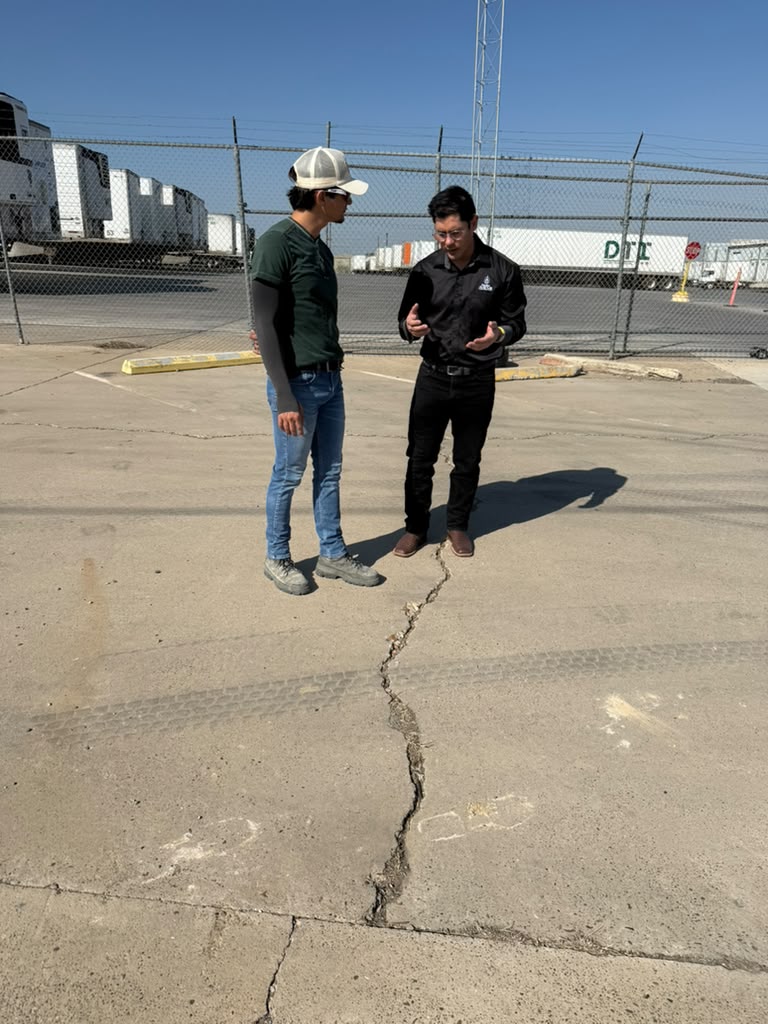
This is why durability continues to be a central focus across commercial, industrial, municipal, and infrastructure projects. Across the construction industry, greater attention is being given to concrete rehabilitation, asset preservation, protective technologies, and repair strategies that help extend service life rather than accelerate replacement cycles.
The longer an asset performs as intended, the greater the opportunity to maximize its value.
Maintenance Costs Often Exceed Expectations
Many ownership costs occur after a project is complete. Maintenance activities, repairs, surface rehabilitation, operational interruptions, and eventual replacement can represent major expenditures throughout an asset's life.
One of the most common lessons learned in facility management is that deferred maintenance rarely becomes less expensive over time. Small issues can evolve into larger problems. Routine repairs can become major capital projects.
As maintenance workforces become increasingly difficult to staff, reducing future maintenance requirements is becoming an important objective in itself. Reducing maintenance does not simply save money. It improves operational efficiency and increases organizational flexibility.
Sustainability and Lifecycle Value Are Closely Connected
Sustainability is often associated with energy consumption and environmental responsibility. However, longevity is also a fundamental component of sustainability.
When buildings, infrastructure, and facilities perform longer, fewer resources are required for replacement and reconstruction. This helps maximize the value of materials, labor, and capital investments that have already been made.
In many cases, one of the most sustainable decisions an owner can make is extending the life of an existing asset through thoughtful maintenance, protection, and rehabilitation strategies.
Building Performance Is Becoming a Competitive Advantage
Modern owners increasingly expect assets to deliver more than basic functionality. They expect reliable performance, lower operating costs, reduced maintenance demands, longer service life, and greater resilience.
Construction decisions play a significant role in achieving those outcomes. Whether evaluating concrete rehabilitation strategies, building-envelope performance, energy-efficiency improvements, or long-term maintenance planning, the focus is increasingly on measurable outcomes rather than minimum requirements.
This shift represents an important evolution in the industry. Success is no longer defined solely by completion. Success is increasingly defined by performance.
What This Means for the Future
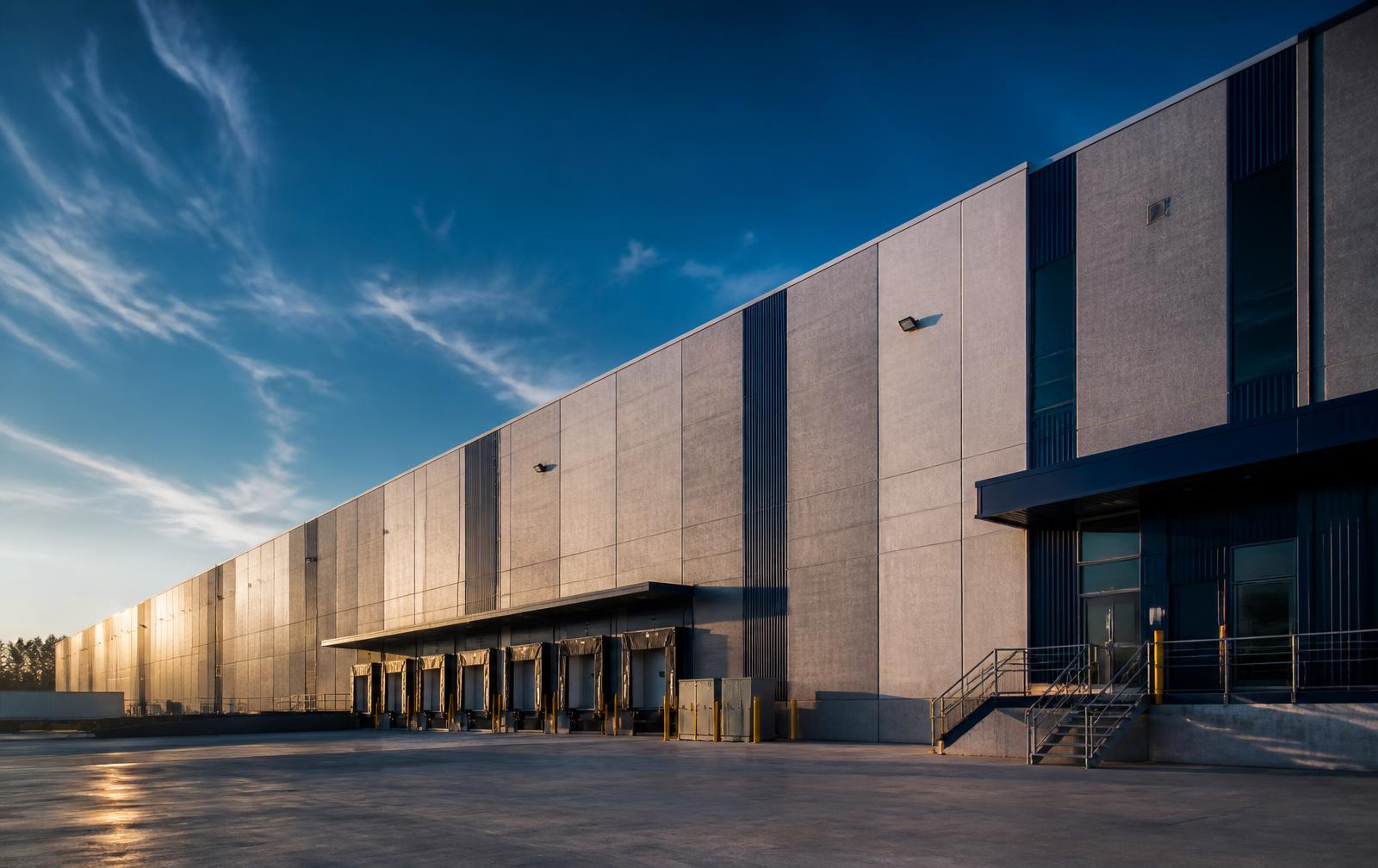
The future of construction will be shaped by owners who think beyond first cost. Organizations that consistently achieve strong long-term outcomes tend to focus on durability, lifecycle planning, maintenance reduction, energy efficiency, operational performance, and asset stewardship.
These priorities are driving increased interest in construction-performance solutions, building-performance technologies, and strategies that help extend asset life while maximizing return on investment.
The most valuable projects of the future may not be those that cost the least to build. They may be the ones that continue delivering value for decades after construction is complete. That is the essence of lifecycle value.
Key Takeaways
- Lifecycle value evaluates performance over the entire life of an asset.
- Initial cost is only one component of long-term ownership value.
- Durability and maintenance reduction are major drivers of lifecycle value.
- Operational efficiency and energy performance contribute to long-term outcomes.
- Sustainability is closely connected to asset longevity.
- Future-ready projects focus on performance, resilience, and long-term value creation.
Source framework: ICSD Digital Platform Blueprint. Any quantitative lifecycle claims require documented and approved evidence before publication.
Continue exploring
Related Content
Related Solutions
Related Outcomes
References
- ICSD Digital Platform Blueprint
Additional industry references may be added over time.
This article is general educational information, not a project-specific recommendation. Applicability depends on facility conditions, operating requirements, and qualified evaluation.