The Lowest Maintenance Cost Is the One You Never Have to Spend
Construction teams often focus on getting projects completed safely, efficiently, and on budget. Yet some of the most important project decisions reveal their value years after construction is complete.
One lesson consistently emerges across industrial facilities, commercial properties, and infrastructure assets: maintenance costs are often influenced long before the first repair is ever required.
As labor shortages continue to affect both construction and facility operations, owners are placing greater emphasis on durability, lifecycle value, and long-term performance.
The question is no longer simply, "What does it cost to build?" It is increasingly, "What will it cost to maintain?"
Why Maintenance Costs Continue to Rise
Many owners are managing aging assets while operating with limited maintenance resources. At the same time, facilities face increasing performance expectations, tighter operating budgets, and growing pressure to maximize asset life.
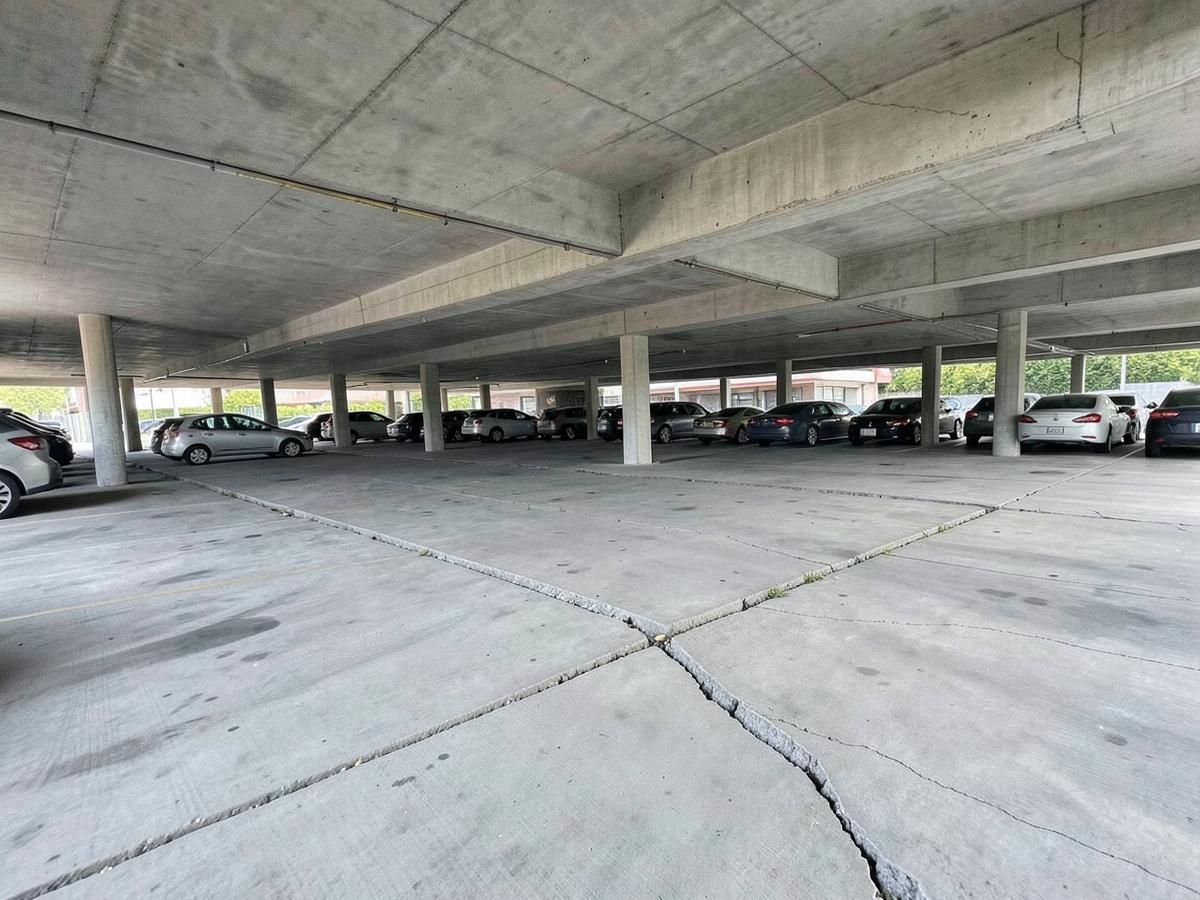
Common drivers of maintenance costs include surface deterioration, water intrusion, environmental exposure, heavy traffic and operational wear, deferred maintenance, and increasing labor costs.
While these challenges cannot always be eliminated, they can often be reduced through better lifecycle planning and durability-focused construction strategies.
Durability Creates Long-Term Value
One of the most effective ways to reduce maintenance costs is to reduce the frequency of repairs. Durable assets typically require fewer interventions, experience less operational disruption, and provide more predictable ownership costs.
This is why many organizations now evaluate projects based on lifecycle value rather than initial construction cost alone. The most successful projects balance immediate project requirements with long-term ownership objectives.
A Shift Toward Repair, Preservation, and Asset Stewardship
Across the construction industry, there is growing recognition that preserving existing assets can often provide significant value.
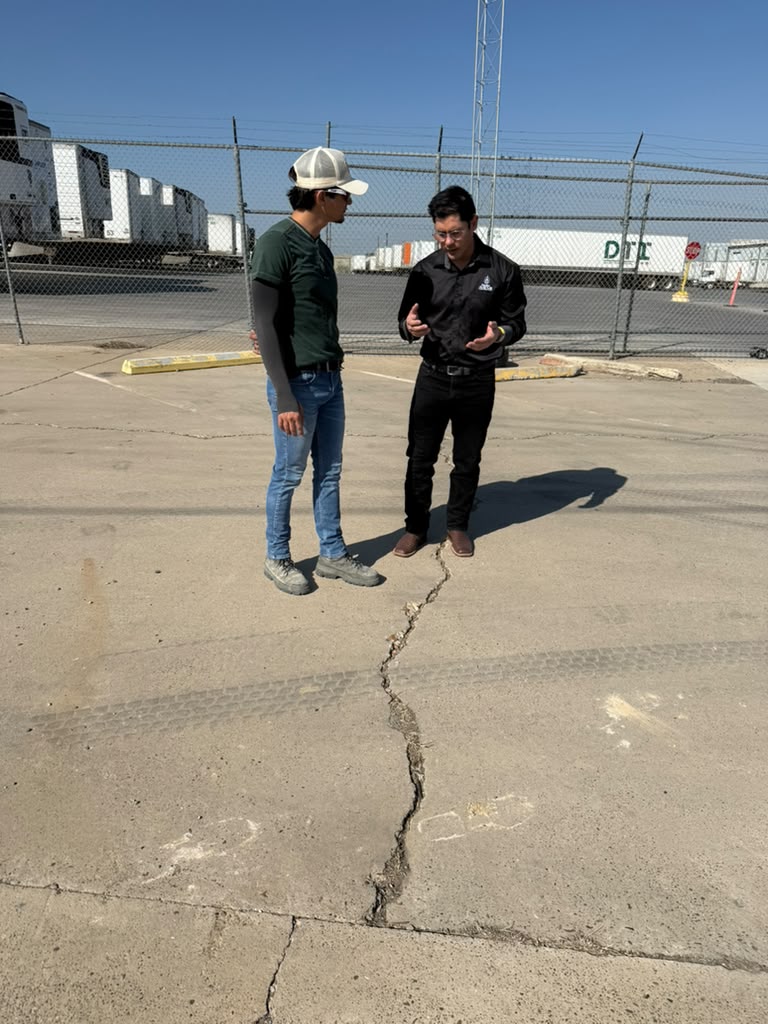
Modern rehabilitation, surface restoration, concrete protection, and crack-repair technologies allow owners to extend service life while reducing future maintenance demands. The goal is not simply to repair damage. The goal is to improve performance, preserve value, and maximize the useful life of existing assets.
What Owners and Contractors Can Learn
Several practical lessons continue to emerge from long-term asset management:
• Small issues become expensive issues when ignored.
• Preventative maintenance is typically less disruptive than emergency repairs.
• Durability should be considered during planning, not after deterioration occurs.
• Lifecycle value often provides a better measure of success than initial cost alone.
• Long-term performance creates operational efficiency.
These lessons apply across industrial, commercial, municipal, and infrastructure projects.
Looking Ahead
The future of construction will increasingly focus on outcomes rather than initial costs alone. Owners want assets that last longer. Operations teams want fewer disruptions. Communities want better stewardship of infrastructure investments.
Meeting those expectations requires practical solutions, thoughtful planning, and a commitment to long-term performance. Reducing maintenance costs is not simply about spending less on repairs. It is about building assets that continue performing reliably for years to come.
That is how durability creates value.
Key Takeaways
- Maintenance costs are heavily influenced by decisions made during design and construction.
- Durability and lifecycle planning help reduce long-term ownership costs.
- Preventative strategies are often more effective than reactive repairs.
- Asset preservation can extend service life and improve lifecycle value.
- Long-term performance is becoming a primary measure of project success.
Source framework: ICSD Digital Platform Blueprint. Product-specific claims should be added only when supported by approved technical resources.
Continue exploring
Related Content
Related Solutions
Related Outcomes
References
- ICSD Digital Platform Blueprint
Additional industry references may be added over time.
This article is general educational information, not a project-specific recommendation. Applicability depends on facility conditions, operating requirements, and qualified evaluation.