ICSD — Innovative Concrete Solutions & Distribution

Construction Performance

Concrete Restoration System

Kong-Krete™

Repair. Restore. Extend Life.

A concrete restoration and asset-preservation solution focused on extending the useful life of existing infrastructure, facilities, and concrete assets.

Explore the outcomes
Kong-Krete

Solution Overview

What Is Kong-Krete?

Kong-Krete is a concrete restoration and asset-preservation solution for evaluating and addressing deterioration in existing concrete assets.

It brings repair, reinforcement, and rehabilitation strategies into a condition-based decision process. The purpose is to understand the asset first, determine what can reasonably be preserved, and evaluate replacement only where the condition requires it.

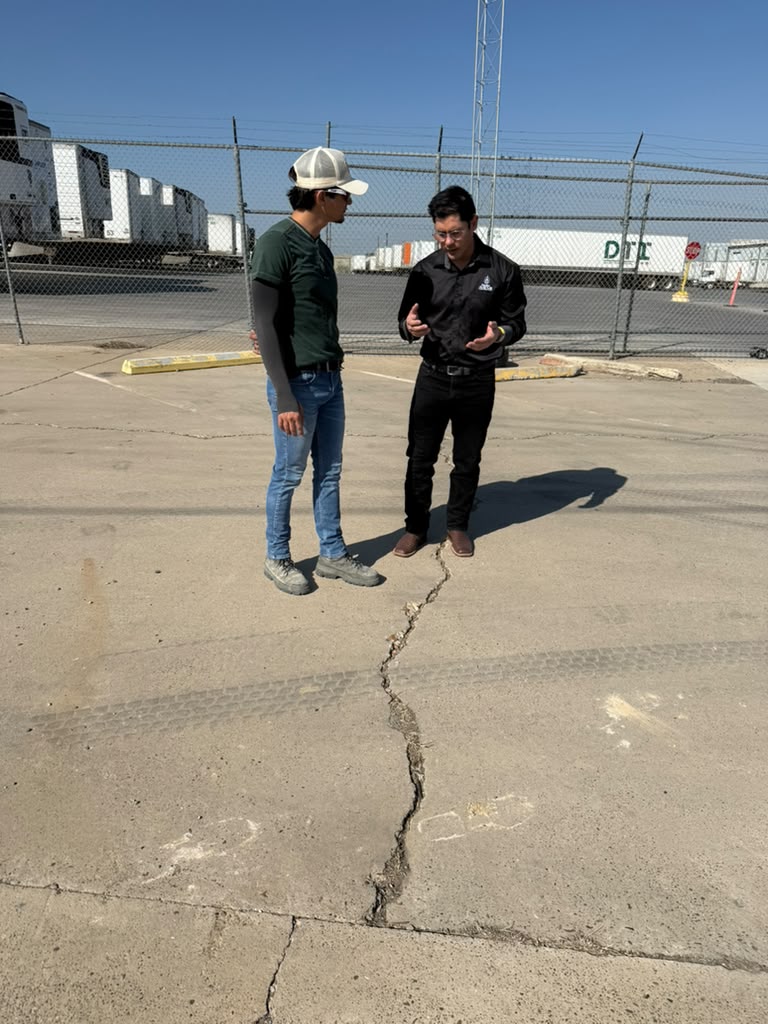
A field inspection of an existing concrete slab

Technology Spotlight Series

Educational proof modules inside the Kong-Krete™ Concrete Restoration System.

Kong-Stitch™ Technology Spotlight

Reconnect. Reinforce. Restore.

  • Reconnect damaged concrete.
  • Reinforce structural performance.
  • Restore load transfer.

Kong-Stitch™ utilizes crack stabilization technology designed to reconnect both sides of a crack and reinforce long-term concrete performance.
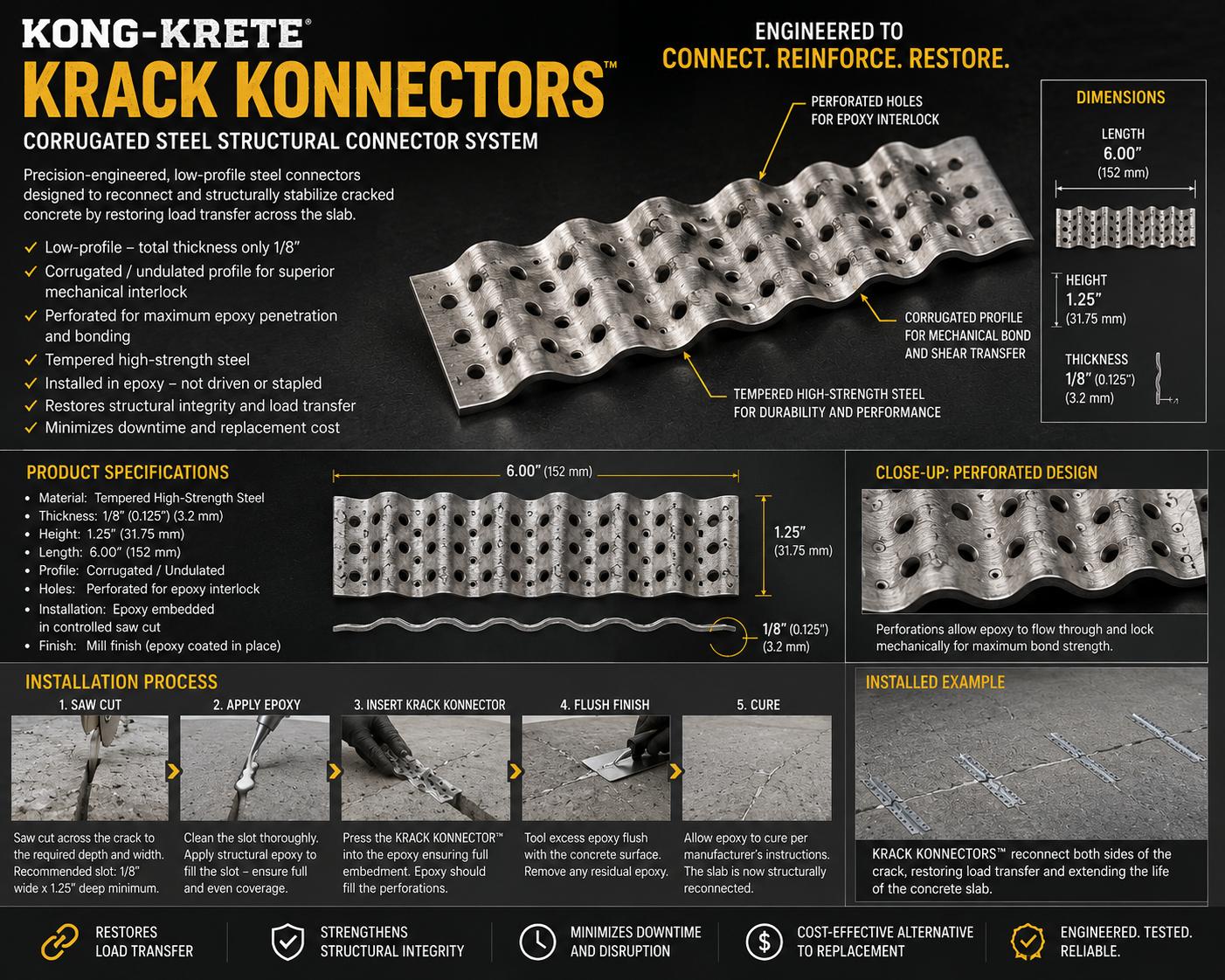
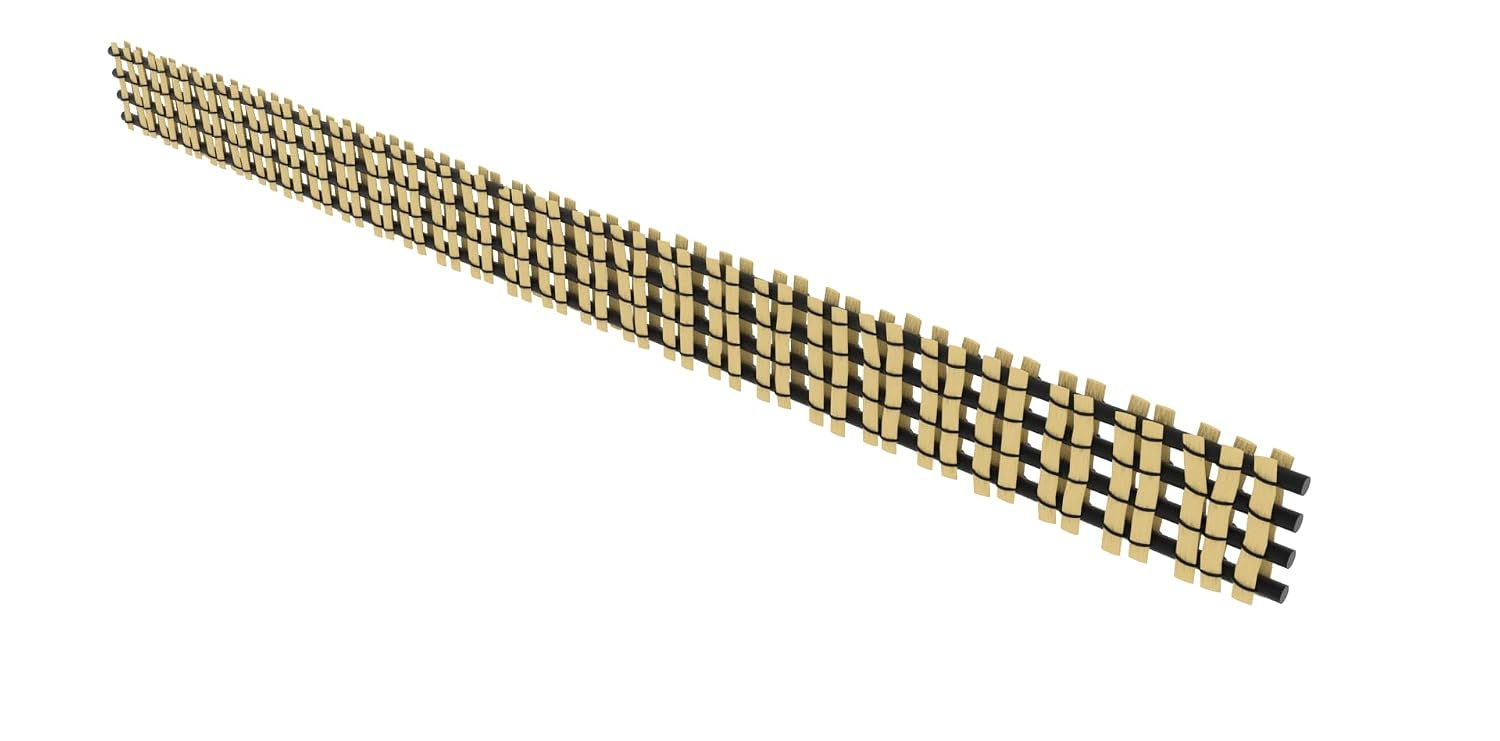
Krack Konnectors infographic describing the corrugated steel structural connector system, specifications, and installation sequence
Three-dimensional rendering of a crack-stabilization connector strip
In DevelopmentView Crack Repair Applications

Based on the crack-stabilization technology described in the underlying Crack Stitch materials.
Kong-Fluid™ Technology Spotlight

Why Concrete Deteriorates

Concrete is porous.

Water, salts, chlorides, and contaminants penetrate through capillaries and microcracks.

Over time, this can lead to:

  • Freeze-thaw damage
  • Spalling
  • D-cracking
  • Reinforcing steel corrosion
  • Surface deterioration
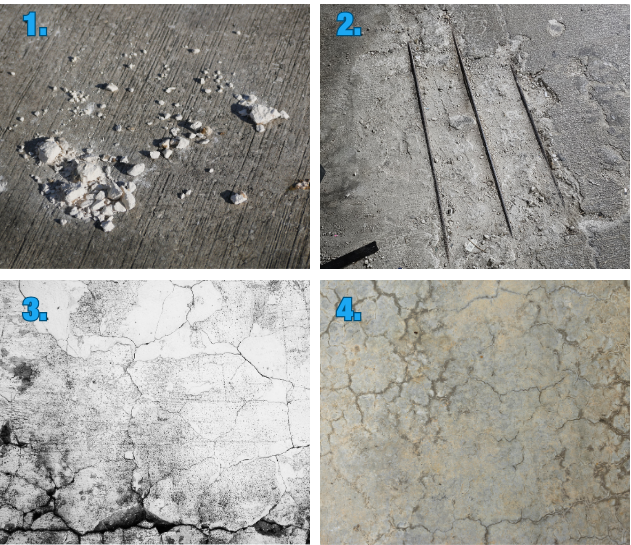
Four-panel grid showing concrete deterioration: foreign object debris, spalling, D-cracking, and alkali–silica reaction map cracking
  1. 1.
    Foreign Object Debris (FOD)
    • Damage caused by loose concrete fragments and debris breaking away from the pavement surface.
    • Creates safety hazards for vehicles, equipment, and aircraft.
    • Can damage tires, engines, and sensitive machinery.
    • Often develops when existing cracks, spalls, or deteriorated joints are left untreated.
    • Considered both a symptom of pavement deterioration and a major operational risk.
  2. 2.
    Spalling
    • The breaking, chipping, or flaking away of concrete at the surface or edges.
    • Typically occurs around joints, cracks, and slab edges.
    • Caused by impact, freeze-thaw cycles, corrosion, or repeated loading.
    • Allows water and contaminants to penetrate deeper into the concrete.
    • Left unaddressed, spalling can grow into larger structural failures.
  3. 3.
    D-Cracking
    • A durability-related cracking pattern caused by moisture-sensitive aggregates exposed to repeated freeze-thaw cycles.
    • Usually begins near joints and slab edges.
    • Water enters the concrete and expands during freezing conditions.
    • Results in cracking, surface deterioration, and eventual concrete breakup.
    • Commonly appears as closely spaced cracks running parallel to pavement joints.
  4. 4.
    Alkali–Silica Reaction (ASR)
    • A chemical reaction between alkalis in cement and certain reactive aggregates within the concrete.
    • Produces an expansive gel that absorbs moisture and swells.
    • Creates internal pressure within the concrete.
    • Leads to cracking, distortion, and long-term structural deterioration.
    • Often identified by characteristic map-pattern cracking across the surface.

Protect. Preserve. Strengthen.

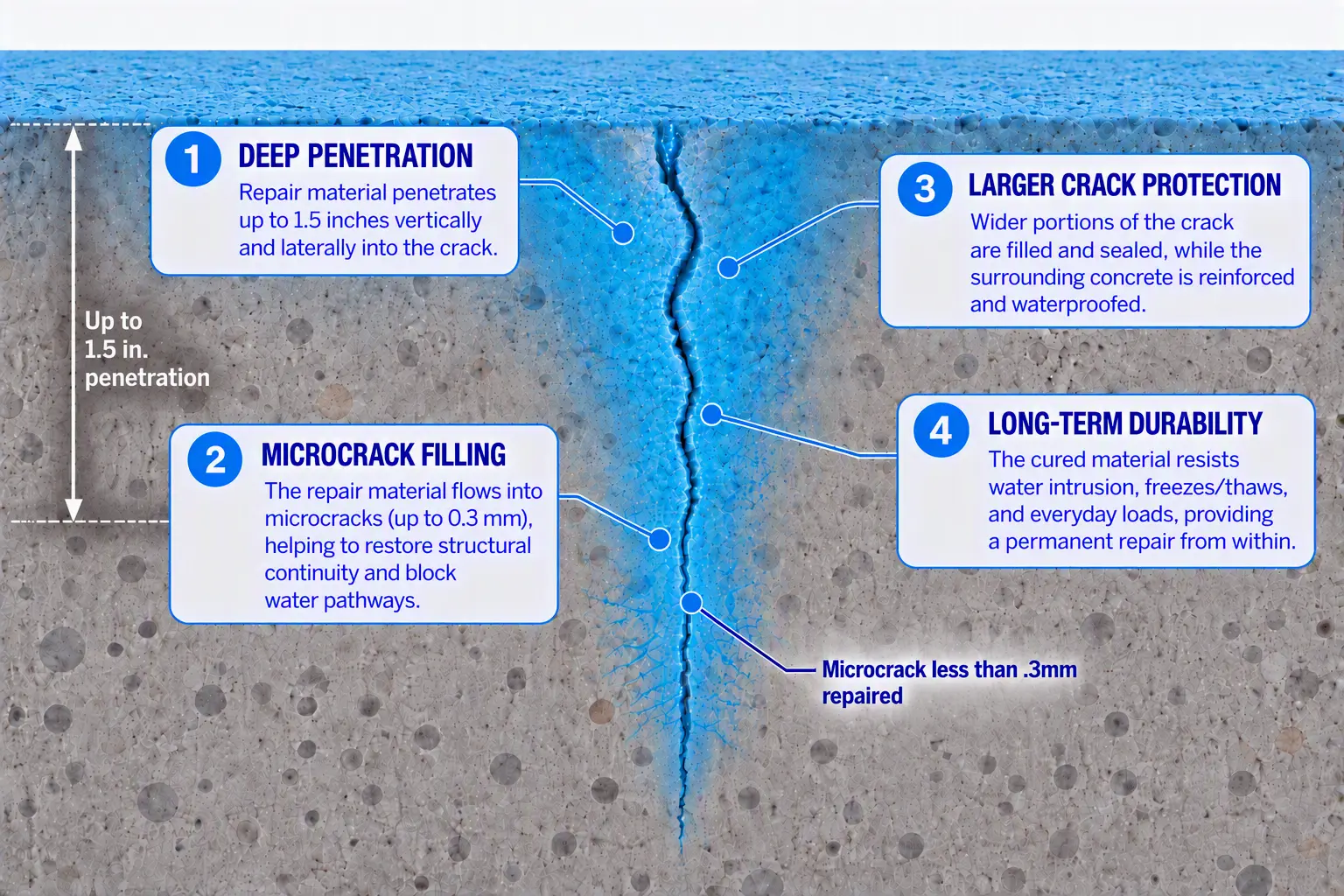
The underlying treatment technology describes deep penetration, reduction of water intrusion, matrix densification, and support for longer-term durability.

  • Deep Penetration
  • Microcrack Healing
  • Larger Crack Protection
  • Permanent Protection From Within
Cross-section diagram of repair material penetrating a concrete crack, filling microcracks, and sealing wider crack portions

Deterioration and protection descriptions are informational and based on the underlying source materials.

Kong-Surface™ Technology Spotlight

Renew. Resurface. Restore.

  • Surface deterioration
  • Lifecycle extension
  • Resurfacing methodology
  • Before-and-after project examples

This spotlight is reserved. Imagery will be added when real project photography is available.

Kong-Krete™ Technology Spotlight

Repair. Restore. Extend Life.

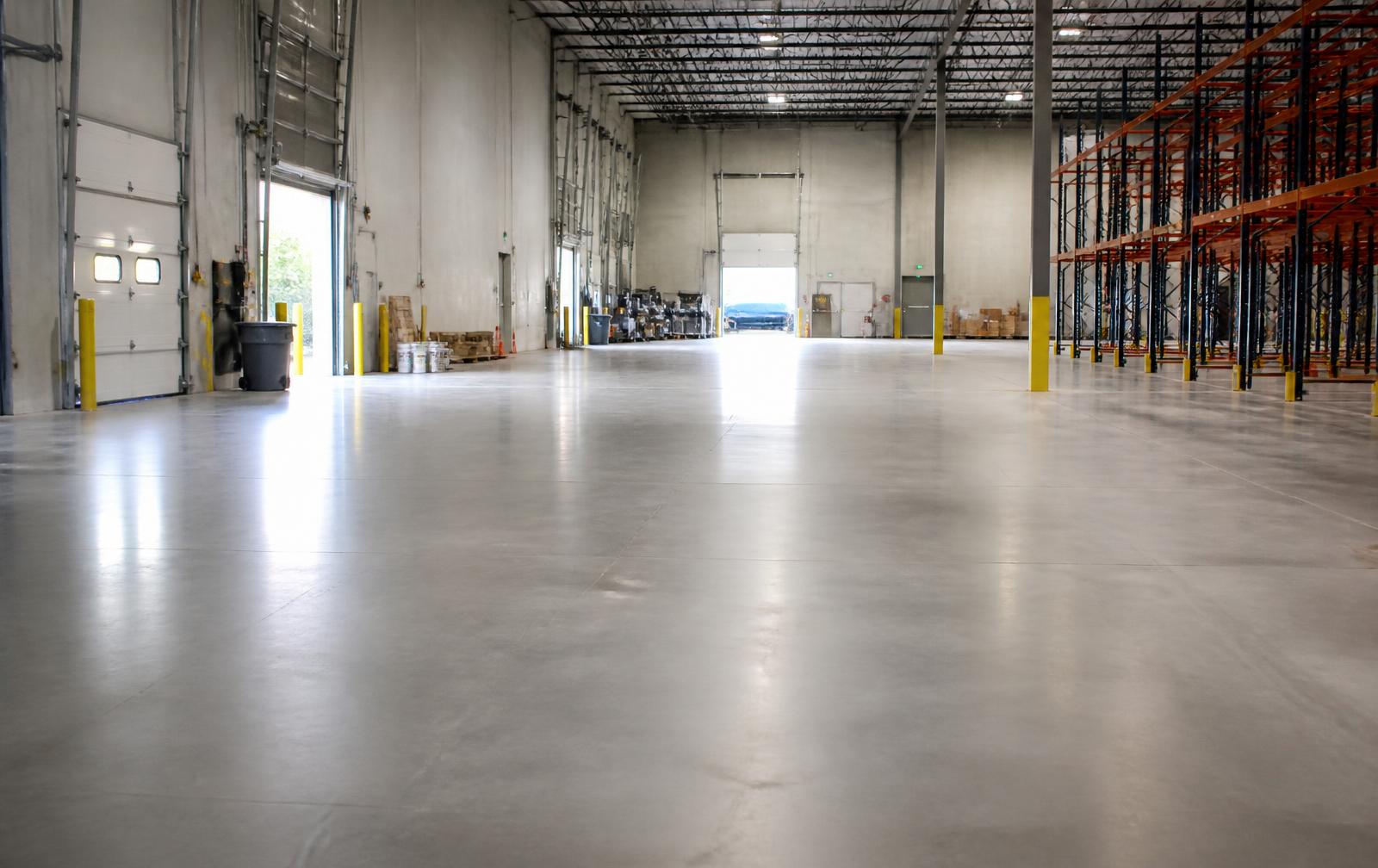
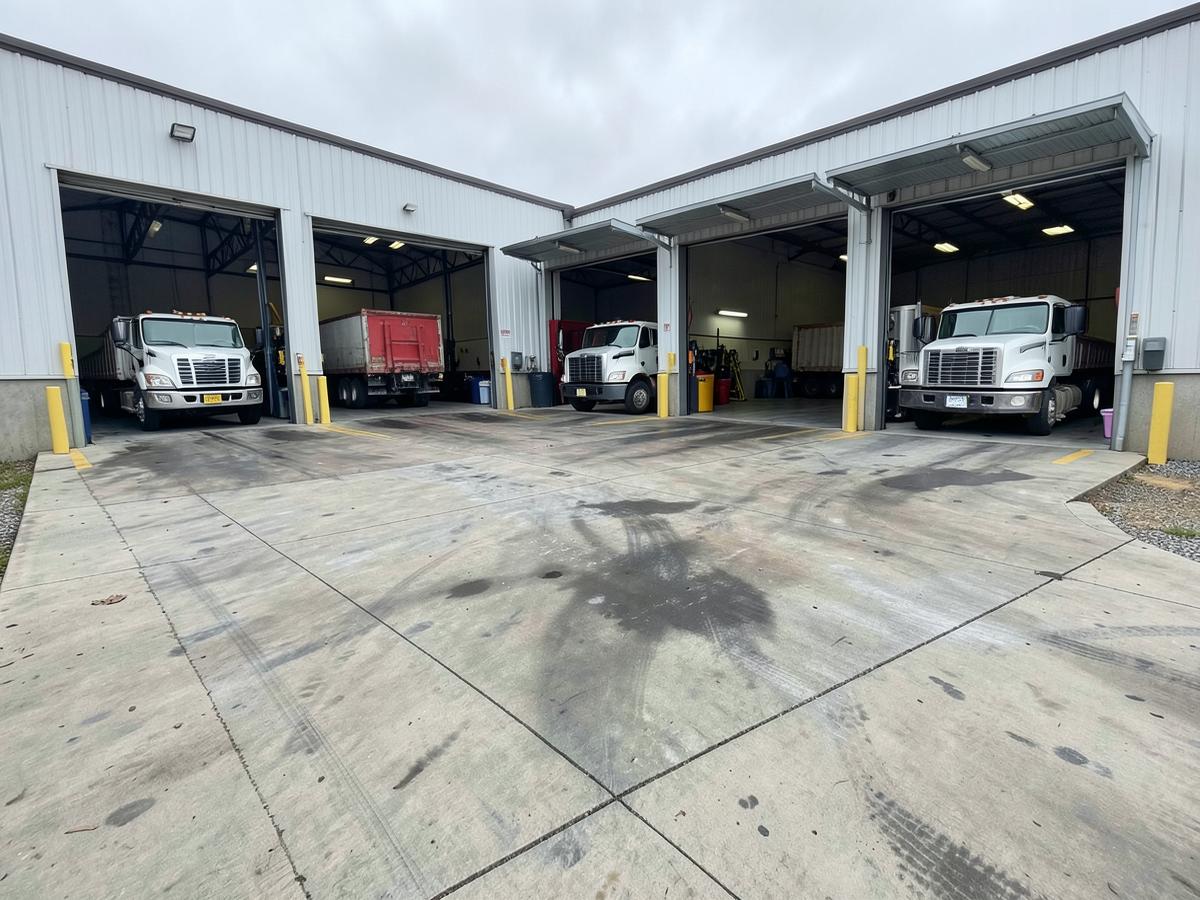
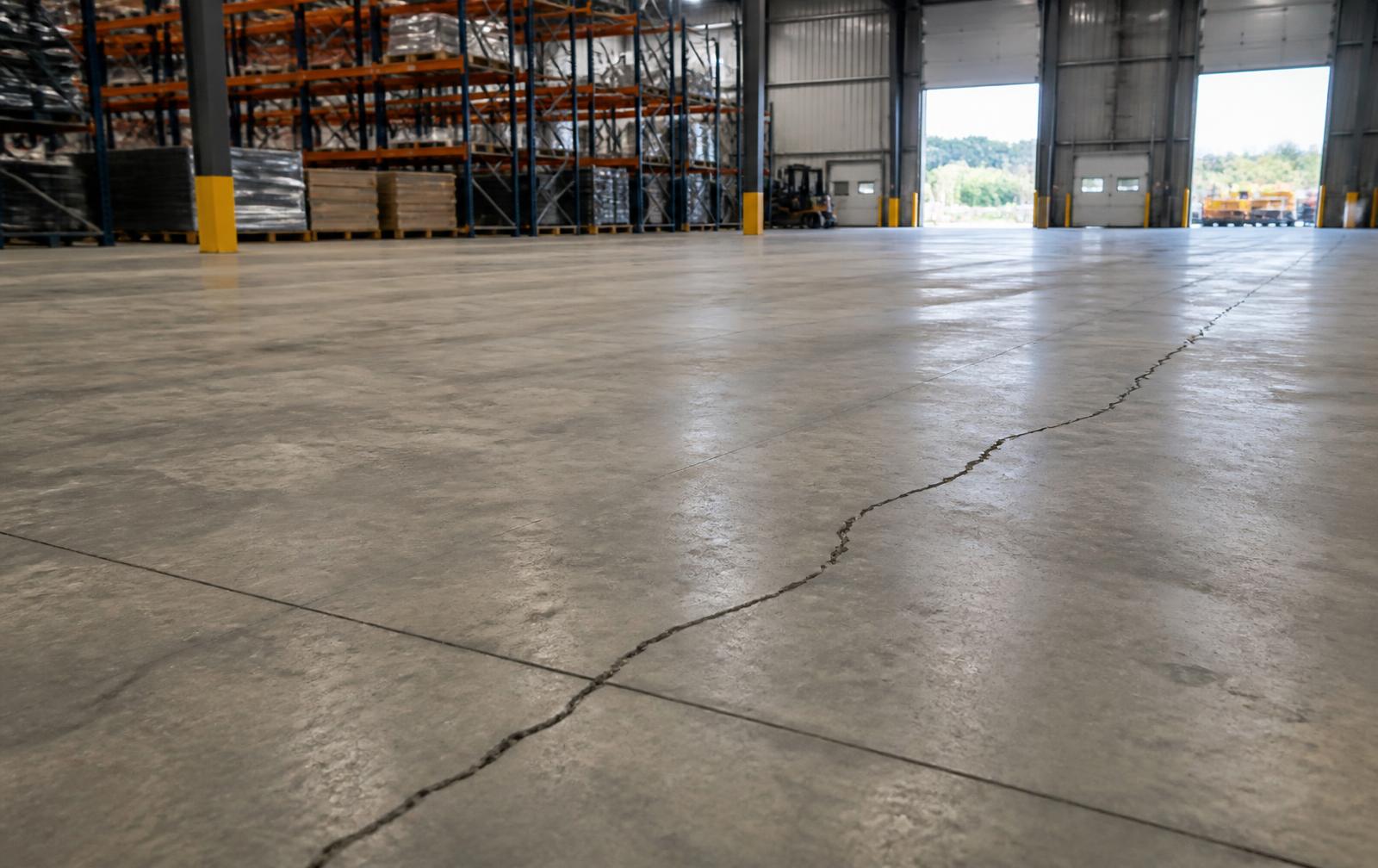
Repaired concrete floor inside an industrial facility
  • Overlays
  • Rehabilitation
  • Restoration
  • Infrastructure renewal

Reserved module. Imagery will draw from existing approved project photography as this spotlight develops.

Understanding the Solution

What the solution brings together.

Kong-Krete brings concrete restoration, reinforcement, rehabilitation, and preservation into one condition-based framework. These approaches describe how an existing asset may be understood and evaluated; they do not promise a particular technical or performance result.

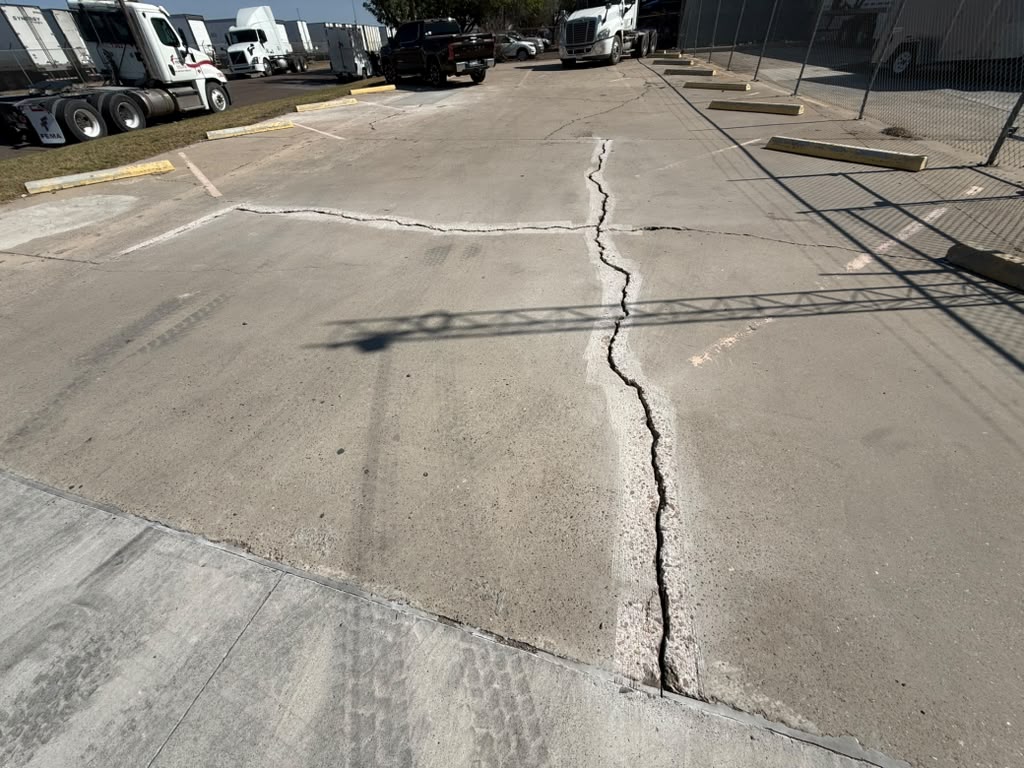
Cracking visible across an existing concrete surface

Repair

01
  • Crack repair
  • Deterioration mitigation
  • Surface rehabilitation
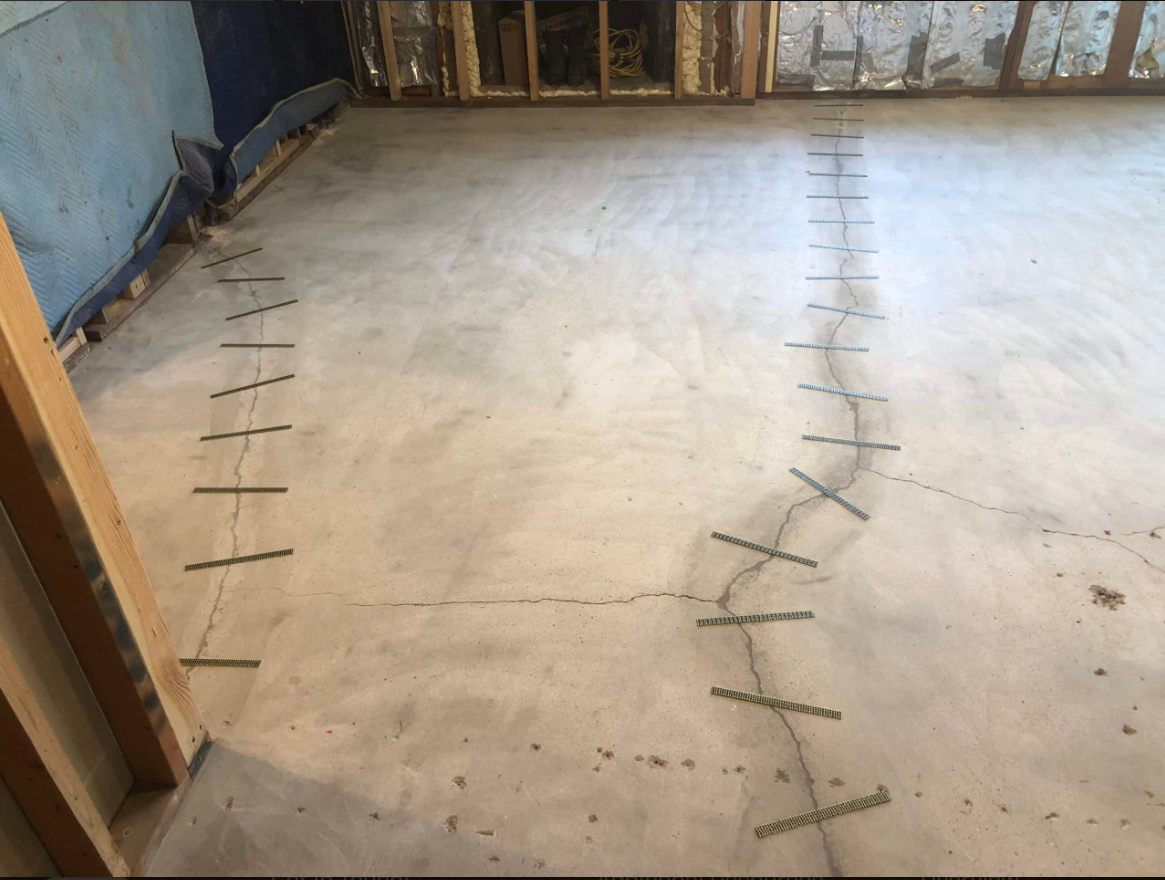
Reinforcement strips positioned across cracks in an interior concrete floor

Reinforcement

02
  • Structural stabilization
  • Load-transfer restoration
  • Strengthening strategies
A repaired concrete surface inside an industrial facility

Rehabilitation

03
  • Restoring functionality
  • Extending service life
  • Returning assets to intended use
An existing concrete facility surface after repair

Preservation

04
  • Asset-retention planning
  • Lifecycle management
  • Maintenance-focused decision making

Asset Preservation

Understanding Asset Preservation

Asset preservation begins with evidence. It considers the condition, function, exposure, and operating context of existing concrete before a repair or replacement path is selected.

  1. 01

    Evaluate

    Document the condition and understand what is driving deterioration.

  2. 02

    Preserve

    Identify sound material and useful capacity that may be retained.

  3. 03

    Protect

    Consider repair and reinforcement strategies appropriate to the diagnosed condition.

  4. 04

    Extend

    Plan maintenance and monitoring around the asset’s continuing role.

Educational Framework

How Kong-Krete Works

The framework is educational rather than prescriptive. The appropriate sequence and scope depend on the asset and a qualified assessment.

  1. 01

    Inspect

    Observe the asset, its use, and visible conditions.

  2. 02

    Diagnose

    Investigate likely causes and distinguish localized distress from broader failure.

  3. 03

    Repair

    Develop a condition-appropriate restoration approach.

  4. 04

    Reinforce

    Evaluate whether stabilization or load-transfer strategies are appropriate.

  5. 05

    Preserve

    Return the asset to a documented maintenance and lifecycle plan.

Educational Video

Why Repair Instead of Replace?

This educational video connects Kong-Stitch™, Kong-Fluid™, Kong-Surface™, and Kong-Krete™ into a single restoration-system story.

Playback pauses automatically at 1:05.

Repair vs. Replace

Repair What Can Be Repaired. Replace Only What Must Be Replaced.

Repair and replacement are not opposing defaults. They are different responses to asset condition, operational priorities, and long-term plans.

Qualitative considerations for evaluating concrete repair and replacement
ConsiderationRepair and preserveReplace
Asset PreservationRetains sound portions of the existing asset where assessment supports doing so.Removes and reconstructs the affected asset or area where retention is not appropriate.
Operational ImpactMay allow work to be planned around localized areas and operating constraints.Often requires broader access, demolition, reconstruction, and operational coordination.
Downtime ConsiderationsScope and sequencing can be evaluated against the facility’s operating requirements.Closure and return-to-use requirements must account for removal and reconstruction.
Capital PlanningSupports condition-based prioritization across an asset portfolio.Commits capital to renewal where condition or function makes replacement necessary.
Lifecycle ValueConsiders the useful material and function that may remain in the existing asset.Establishes a new asset where rehabilitation cannot meet the documented need.

A condition-based principle

The Crack Was the Problem. The Slab Was Not.

A visible crack or deteriorated area is a reason to investigate—not, by itself, proof that an entire slab must be removed. Inspection and diagnosis help determine whether distress is localized, whether the surrounding concrete remains serviceable, and which response deserves evaluation.

Before / Strategy / Preserved

Visual Outcomes

Existing project photography illustrates the movement from visible deterioration through a repair strategy to a preserved concrete asset. Images are educational examples and do not state quantified project results.

Crack across an industrial warehouse floor before repair
Before
Industrial warehouse floor surface after repair
Preserved asset

Repair strategy

Industrial floor

Evaluate the crack and surrounding slab, then develop a localized restoration strategy.

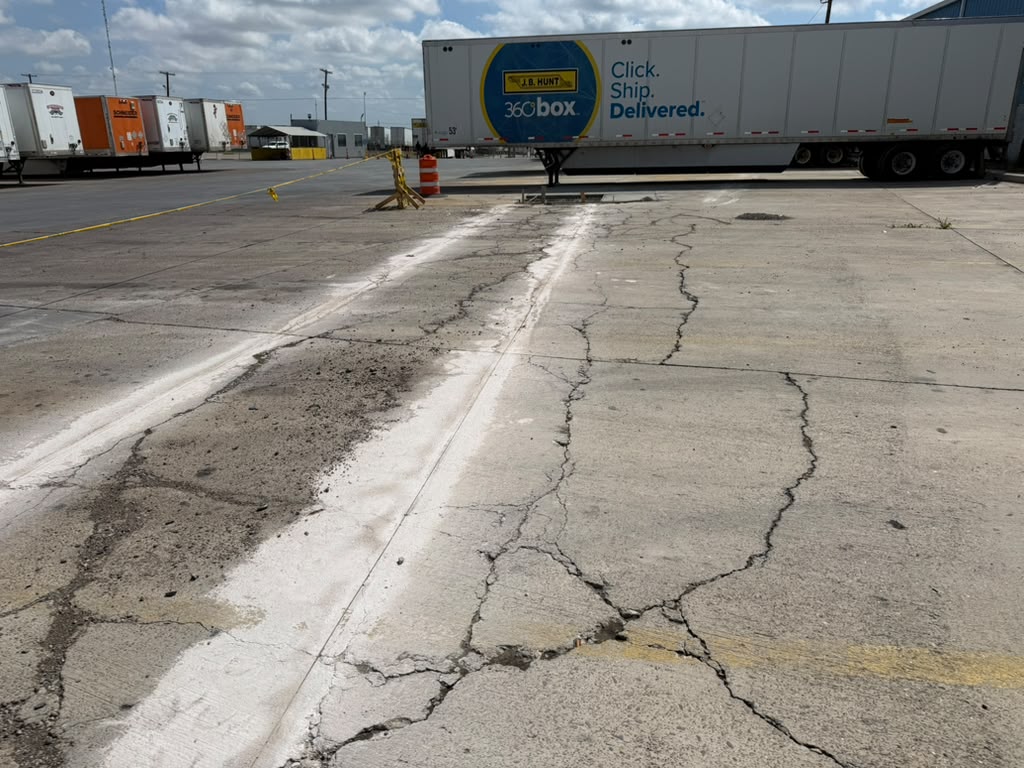
Deteriorated cracking across an exterior concrete pavement
Before
Concrete surface after localized repair
Preserved asset

Repair strategy

Exterior pavement

Assess deterioration patterns and preserve serviceable concrete where the condition supports it.

Candidate Assets

Project categories to evaluate.

Focus

Where the work concentrates.

  • 01

    Preservation

  • 02

    Restoration

  • 03

    Lifecycle Value

  • 04

    Asset Management

Lessons Learned

What experience continues to teach us.

Implementation Experience

Where the solution has been applied.

Implementation examples will be added as they are documented.

FAQ

Questions to ask before deciding.

When should concrete restoration be considered?

Restoration merits evaluation when an existing concrete asset shows cracking, localized deterioration, surface distress, or loss of function and the condition of the surrounding asset has not yet established that full replacement is necessary.

Does every crack mean the concrete can be repaired?

No. A crack is evidence that should be investigated. The cause, movement, surrounding concrete, support conditions, exposure, and intended use all influence whether repair, reinforcement, rehabilitation, or replacement should be considered.

How is Kong-Krete different from concrete replacement?

Kong-Krete begins with condition-based evaluation and asset preservation. Replacement removes and reconstructs concrete where retention is not appropriate; restoration considers whether useful portions of the existing asset can remain in service.

What types of assets may be candidates?

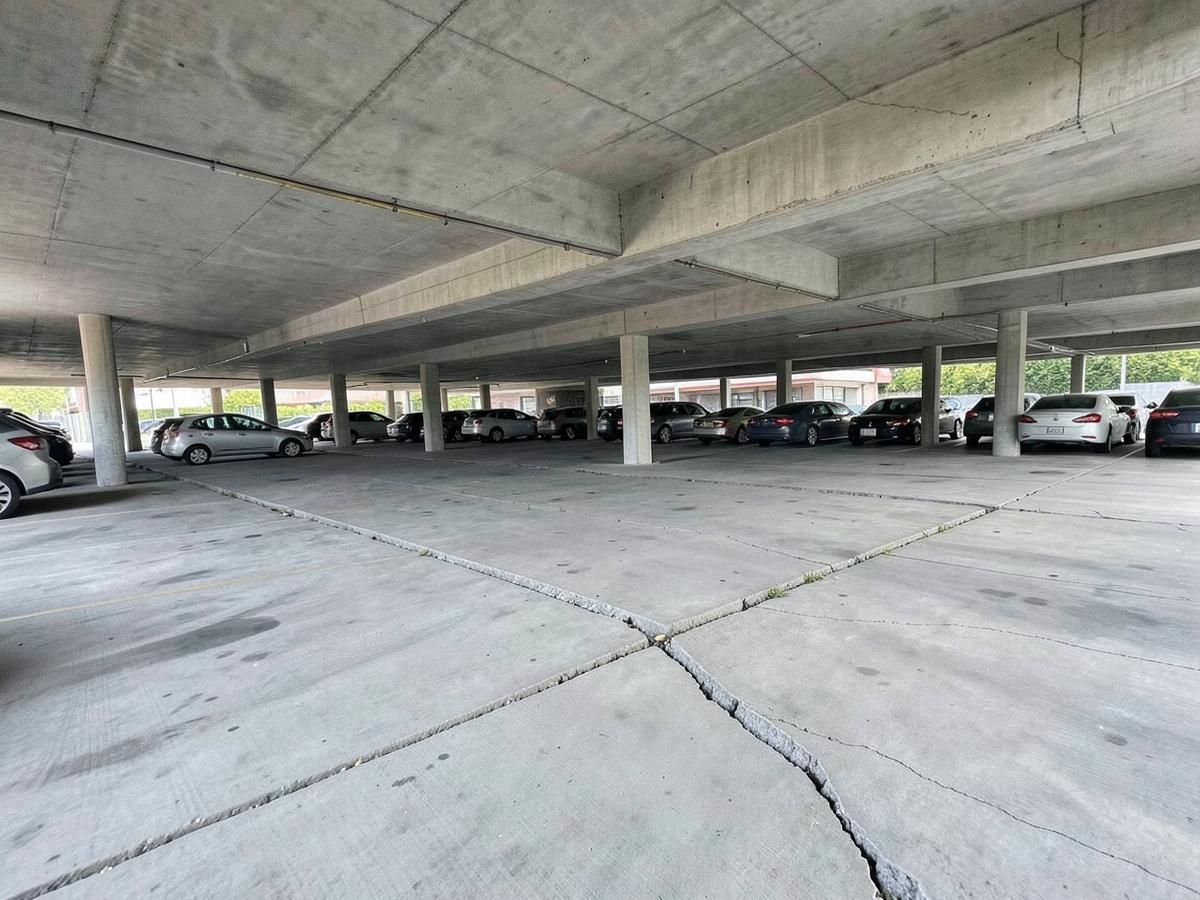
Industrial floors, loading areas, manufacturing facilities, municipal concrete, infrastructure, parking areas, and commercial service surfaces may merit evaluation. Suitability depends on the documented condition and operating requirements of the individual asset.

Search

Find articles, analyses, and lessons.

20 results

Start with the outcome you need.

Start a conversation