Every Owner Expects Concrete to Last. The Reality Is More Complicated.
Concrete remains one of the most trusted building materials in the construction industry. It forms the foundation of industrial facilities, warehouses, manufacturing plants, municipal infrastructure, and commercial developments. Its reputation for strength and longevity is well earned.
Yet one lesson continues to emerge across projects of every size and scope: concrete durability should never be taken for granted.
Over time, moisture intrusion, environmental exposure, operational wear, and changing performance demands can shorten the life of concrete assets and increase maintenance requirements. The result is often more than a repair issue. It becomes an operational challenge, a budget challenge, and increasingly, a workforce challenge.
As organizations work to do more with fewer resources, the conversation is shifting from simply building structures to building assets that perform better over time.
That is why high-performance concrete protection matters. It is not simply about protecting a surface. It is about protecting long-term value.
Why This Matters to the Industry
The construction industry is facing a period of significant change.
Owners are being asked to maximize asset performance, control operating costs, improve sustainability outcomes, and extend service life, all while skilled labor shortages continue to affect maintenance and repair operations.
For municipalities, every unplanned repair can impact already constrained budgets. For industrial operators, downtime can affect productivity and operational efficiency. For developers and facility owners, maintenance costs often continue long after construction is complete.
These challenges share a common theme: long-term performance matters more than ever. Projects are increasingly being evaluated not only by how they are built today, but by how they perform ten, twenty, or thirty years from now.
A Common Industry Lesson: Deterioration Is Less Expensive to Prevent Than to Repair
One of the most valuable lessons learned across construction and facility management is straightforward: preventing deterioration is usually far less expensive than responding to it.
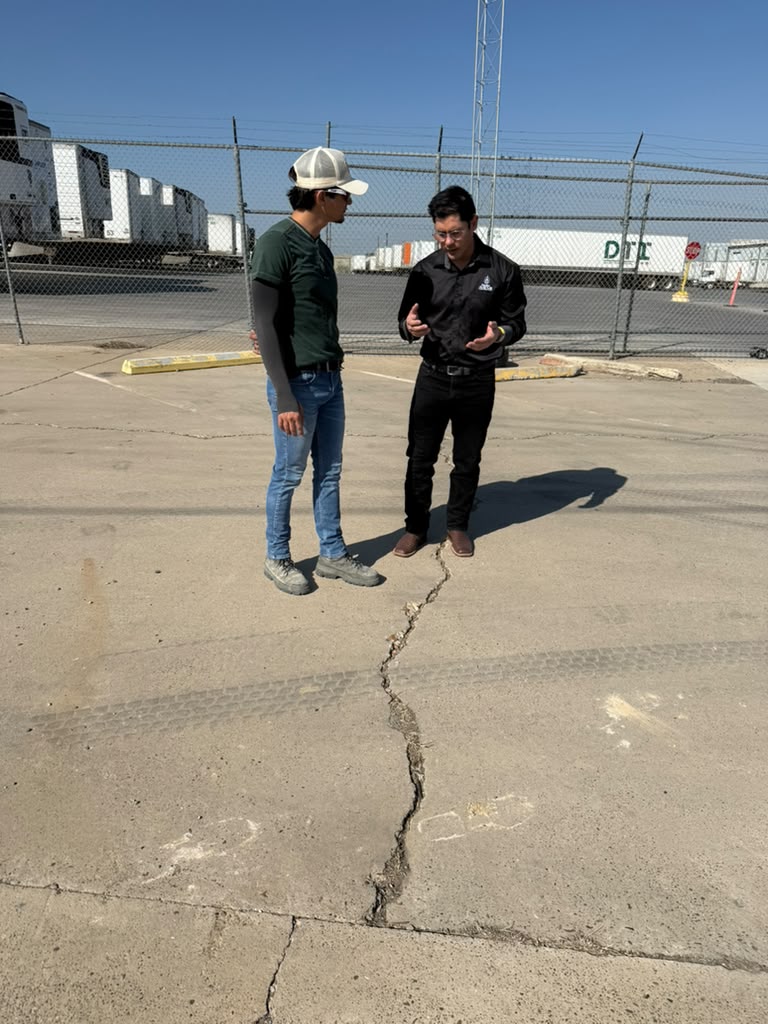
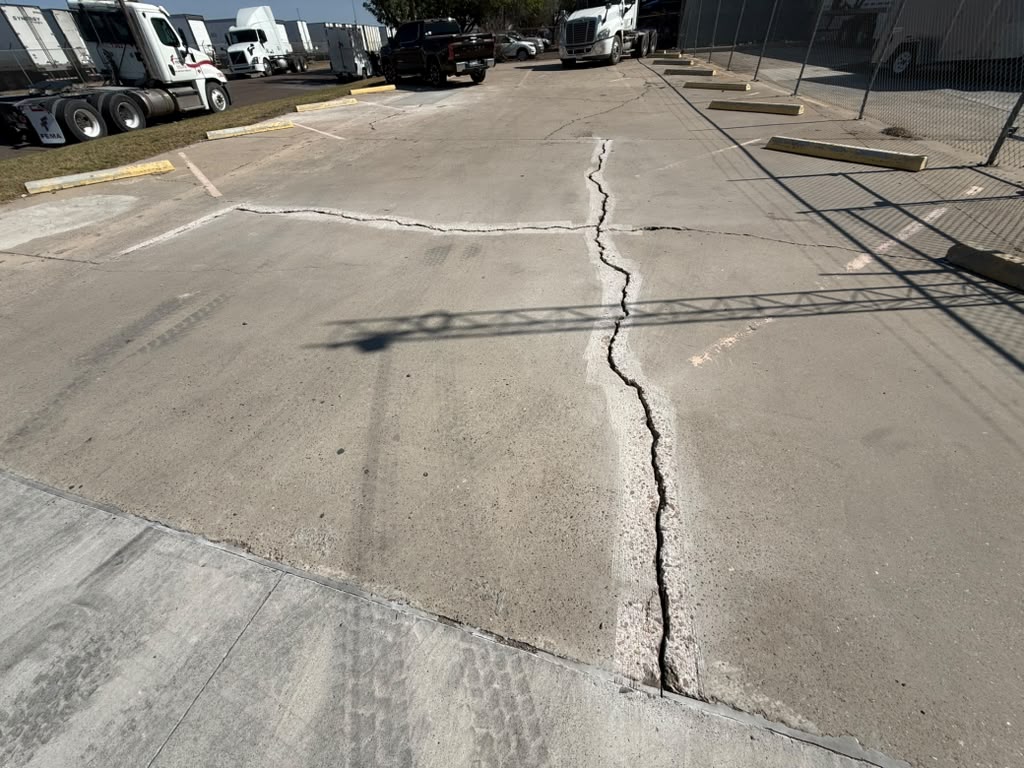
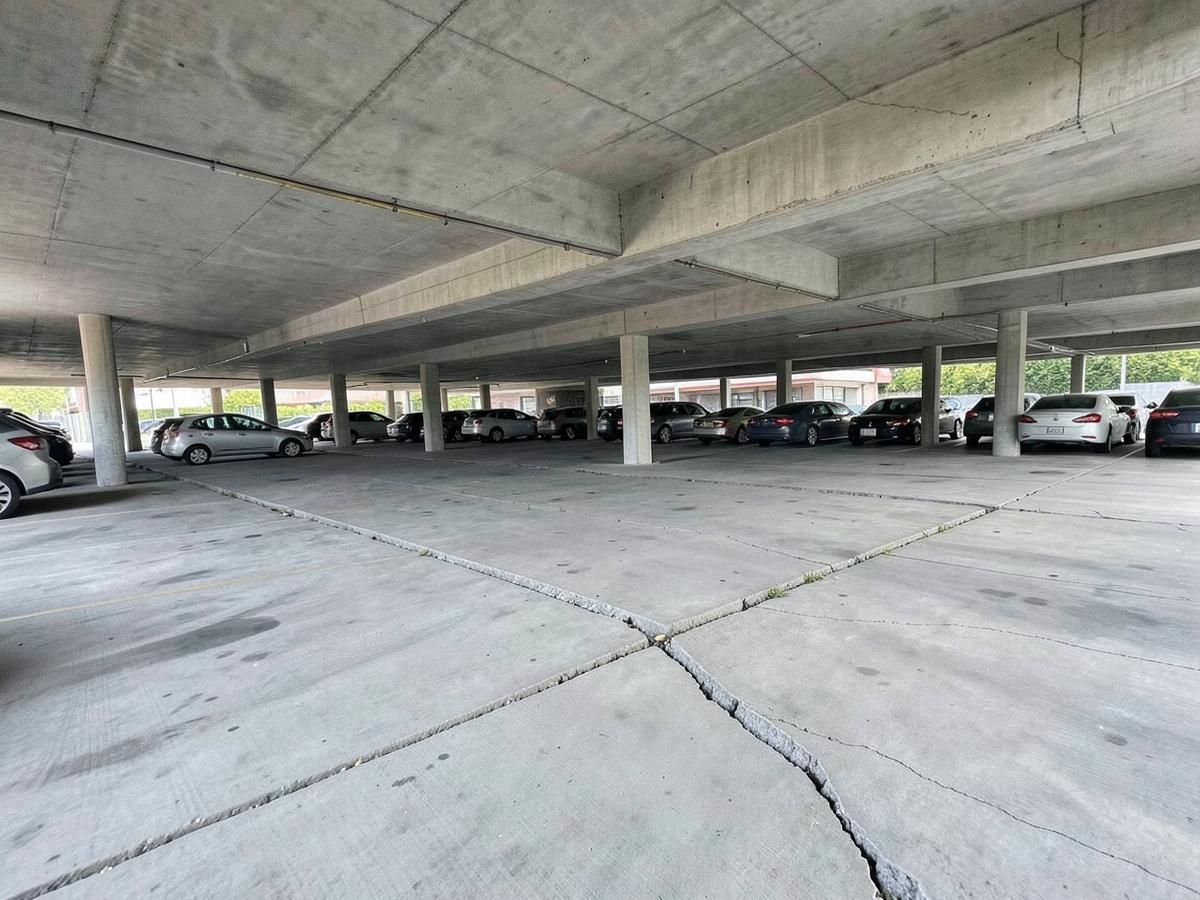
Many concrete issues begin long before visible signs of damage appear. Moisture intrusion, freeze-thaw exposure, chemical attack, and surface wear often develop gradually. By the time cracking, spalling, or significant deterioration becomes apparent, the cost of corrective action has increased substantially.
This reality has encouraged many owners to rethink how they approach durability. Instead of viewing concrete protection as an optional enhancement, it is increasingly viewed as an investment in asset preservation, operational continuity, and lifecycle performance.
What Is High-Performance Concrete Protection?
High-performance concrete protection refers to systems and strategies designed to improve the long-term durability and performance of concrete assets.
While individual technologies vary, the objective remains consistent: protect concrete from the conditions that accelerate deterioration and reduce its service life.
Effective protection strategies typically focus on limiting moisture intrusion, reducing environmental exposure, improving durability, extending service life, lowering maintenance demands, and supporting long-term asset performance. The goal is not simply to preserve concrete. The goal is to preserve the value that concrete represents.
Building Performance Starts at the Surface
Many of the most significant threats to concrete performance begin at the surface. Water, chemicals, salts, abrasion, and environmental contaminants often enter through exposed areas and initiate deterioration that progressively affects the structure over time.
When left unaddressed, these conditions can create a cycle of recurring repairs and increasing maintenance expenses. When properly managed, however, they can support greater durability, more predictable maintenance planning, extended service life, improved resilience, and lower lifecycle costs.
This is an important shift in mindset. The conversation moves away from asking, "What does this cost today?" and toward asking, "How will this perform over the life of the asset?"
Durability Supports Operational Efficiency
Durability is often discussed as an engineering objective. In reality, it is also an operational objective.
Every avoidable repair requires labor, planning, resources, and potentially operational disruption. As workforce shortages continue to affect construction and facility management, organizations are increasingly seeking ways to reduce future maintenance demands rather than simply react to them.
Facilities that require fewer repairs allow maintenance teams to focus on higher-value priorities. Municipal departments can allocate limited resources more strategically. Owners gain greater confidence in the long-term performance of their investments.
Durability creates efficiency. And efficiency creates value.
What Owners Are Learning About Lifecycle Value
Historically, construction decisions were often driven by initial project costs. Today, many owners are taking a broader view.
Lifecycle value has become an increasingly important decision-making factor because the true cost of ownership extends well beyond project completion. Lifecycle considerations include maintenance requirements, repair frequency, operational impacts, facility downtime, asset longevity, and replacement costs.
A lower initial cost does not always result in the lowest total cost of ownership. The most successful projects increasingly balance upfront investment with expected long-term performance. This approach helps owners make decisions that support operational efficiency, resilience, and overall asset value for years to come.
How Municipalities and Industry Are Responding
Across the public and private sectors, there is growing emphasis on building smarter and building for the future. Municipal agencies are placing greater focus on infrastructure resilience and lifecycle planning. Industrial operators are focusing on reliability and operational continuity. Developers are seeking solutions that contribute to building performance while supporting long-term ownership objectives.
Although project requirements differ, the underlying challenge remains remarkably similar: how do we create assets that perform longer, require less maintenance, and provide greater value over time? High-performance concrete protection is one practical answer to that challenge.
What This Means for the Future
The future of construction will not be defined solely by how quickly projects are completed. It will be defined by how effectively they perform over their lifecycle.
The industry's next generation of innovation will increasingly focus on measurable outcomes: greater durability, improved building performance, enhanced resilience, better operational efficiency, reduced maintenance demands, and more sustainable asset management.
The most meaningful innovations are rarely those that generate headlines. They are the innovations that solve practical problems, improve outcomes, and create lasting value. High-performance concrete protection represents that kind of progress.
It reflects a growing understanding that building better is not simply about constructing new assets. It is about helping those assets perform better, last longer, and deliver value well into the future. That is how stronger, smarter, and more resilient environments are built.
Key Takeaways
- Concrete deterioration is often preventable when durability is addressed proactively.
- High-performance protection strategies help extend service life and reduce maintenance demands.
- Durability contributes directly to operational efficiency and long-term value.
- Workforce shortages are increasing the importance of maintenance reduction and lifecycle planning.
- The future of construction is increasingly focused on resilience, performance, and asset longevity.
- The most effective innovations are those that solve practical problems and improve measurable outcomes.
Source framework: ICSD Digital Platform Blueprint. Technical or performance claims should be validated against approved source documentation before publication.
Continue exploring
Related Content
Related Solutions
Related Industries
Related Outcomes
References
- ICSD Digital Platform Blueprint
Additional industry references may be added over time.
This article is general educational information, not a project-specific recommendation. Applicability depends on facility conditions, operating requirements, and qualified evaluation.