Infrastructure Should Be Measured in Decades, Not Years
Every community depends on infrastructure that performs reliably over time. Roadways, sidewalks, parking facilities, bridges, public buildings, and other assets are expected to serve residents for decades while supporting economic activity, mobility, and public safety.
Yet many municipalities face a recurring challenge: infrastructure often begins showing signs of deterioration much earlier than expected.
When that happens, the impact extends beyond repair budgets. Premature deterioration can lead to increased maintenance demands, operational disruptions, and difficult decisions about how limited resources should be allocated.
One of the most important lessons learned across the industry is that durability rarely happens by accident. Long-term performance is usually the result of thoughtful planning, proactive maintenance, and a commitment to asset stewardship.
Why Durability Matters
Municipal infrastructure represents a long-term public investment. Communities depend on these assets every day, which means their performance directly affects quality of life, operational efficiency, and financial planning.
When infrastructure performs longer, municipalities can often reduce maintenance demands, improve budget predictability, extend asset service life, delay costly replacement projects, and create greater long-term value from existing investments.
For public agencies managing aging infrastructure and constrained resources, durability has become both an engineering priority and a financial priority.
Most Infrastructure Problems Start Small
Infrastructure rarely fails overnight. In many cases, deterioration begins long before visible signs appear.
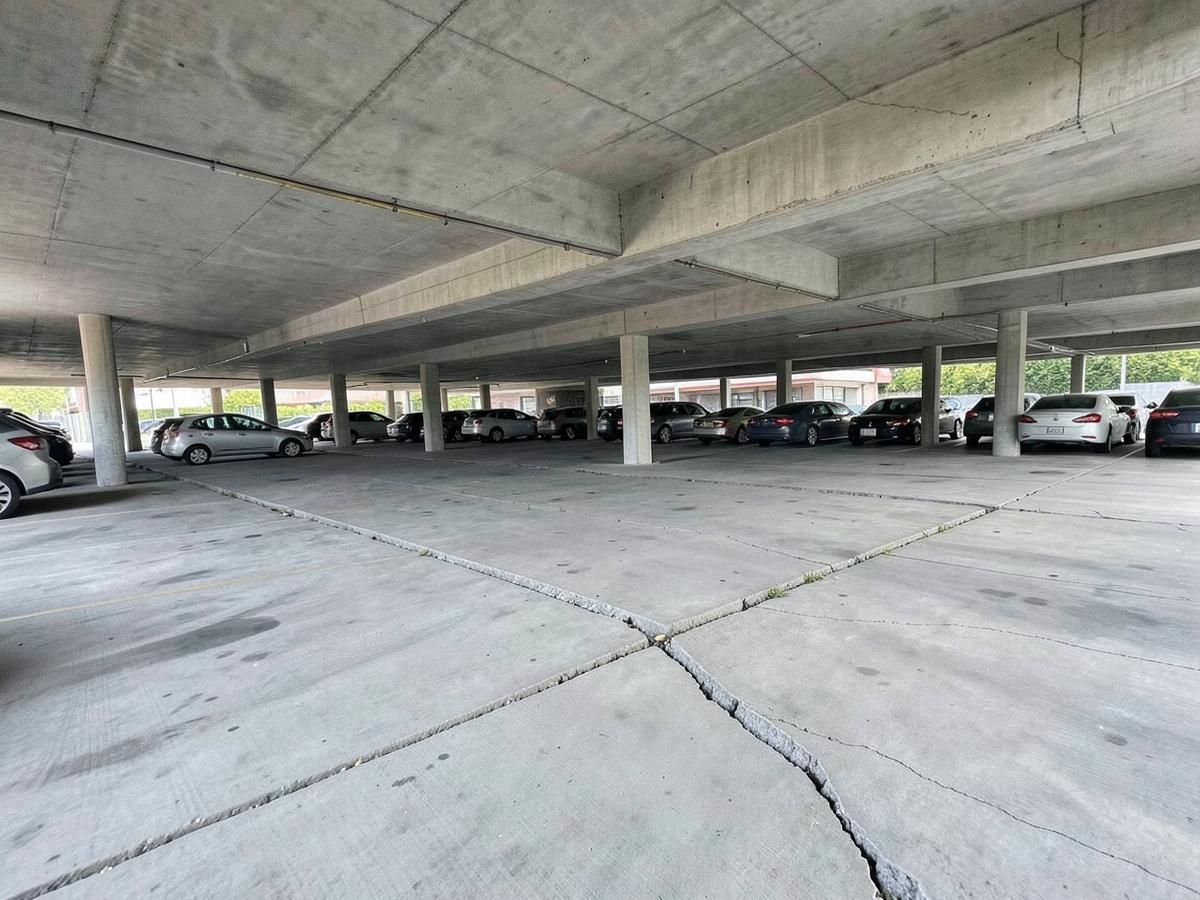
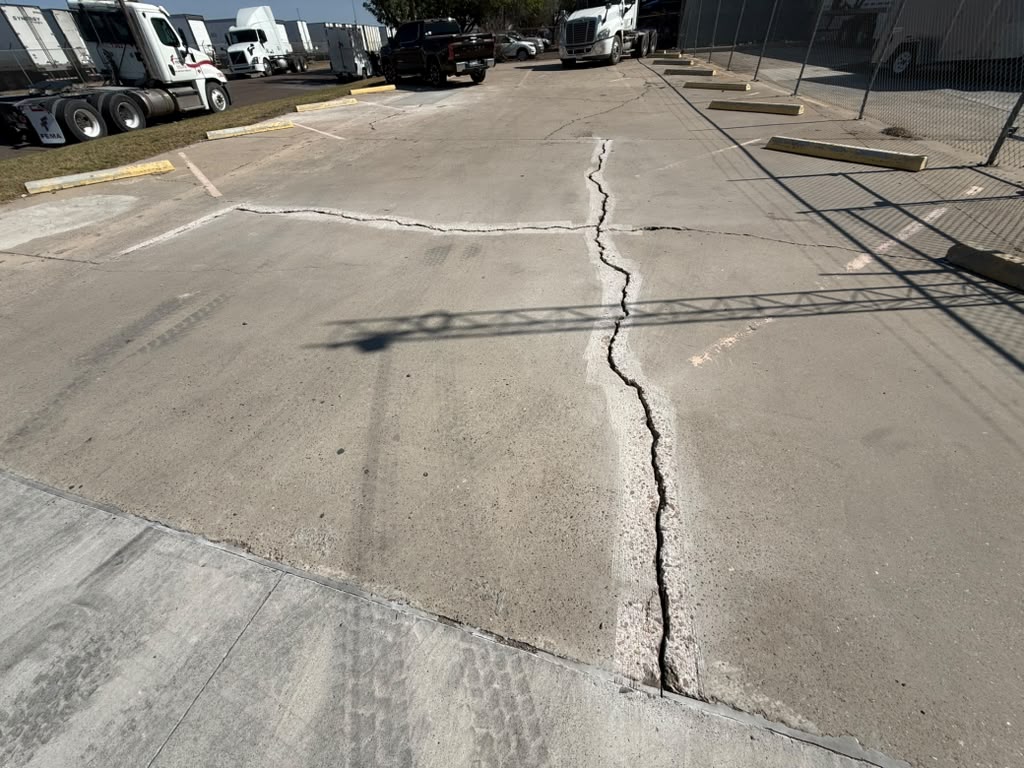
Moisture intrusion, surface cracking, repeated traffic loading, environmental exposure, and normal wear can gradually affect performance over time. Small issues that are not addressed early often become larger and more expensive problems later.
This is one reason asset preservation continues to receive greater attention across municipal infrastructure planning. Protecting, maintaining, and rehabilitating assets before significant deterioration occurs can often improve lifecycle outcomes while reducing long-term costs.
Maintenance Is Becoming a Strategic Decision
Municipalities across the country are facing increasing pressure to do more with fewer resources. Maintenance departments are responsible for large asset portfolios while also navigating staffing challenges, material costs, and evolving service expectations.
As a result, maintenance is no longer viewed simply as an operational activity. It is increasingly viewed as a strategic function that influences asset longevity, budget performance, public service reliability, and infrastructure resilience.
The most successful infrastructure programs focus not only on repairing problems but also on reducing future maintenance requirements whenever possible.
The Shift From Replacement to Asset Preservation
Historically, infrastructure conversations often focused on replacement. Today, there is growing emphasis on rehabilitation, restoration, and preservation strategies that help extend the useful life of existing assets.
This shift reflects a broader industry understanding that long-term value is often created by maximizing the performance of existing infrastructure rather than waiting until replacement becomes the only option.
Modern rehabilitation and protection approaches can help communities preserve important infrastructure while minimizing disruption and improving lifecycle value. Solutions such as Kong-Krete™, Kong-Fluid™, Kong-Surface™, and Kong-Stitch™ support this broader goal of extending service life and improving long-term asset performance.
Sustainability Begins With Longevity
Sustainability is frequently associated with environmental goals, but longevity is also an important part of the discussion. When infrastructure performs longer, fewer resources are required for major repairs and replacement activities.
Extending service life can help communities maximize existing investments, reduce material consumption, improve resource efficiency, minimize disruption to residents, and support long-term stewardship goals.
In many cases, one of the most sustainable infrastructure strategies is simply helping existing assets remain in service longer.
What Communities Can Learn
Several lessons continue to emerge from long-term infrastructure management:
• Durability should be considered from the beginning of a project.
• Small issues are typically less expensive to address than major deterioration.
• Preventative maintenance helps protect long-term value.
• Lifecycle planning often produces better outcomes than reactive repairs.
• Asset preservation can be an effective alternative to premature replacement.
These lessons apply whether a municipality is managing roads, public facilities, parking structures, sidewalks, or other infrastructure assets.
Looking Ahead
Communities will continue facing pressure to maximize performance while managing limited resources. At the same time, infrastructure systems will be expected to support growing populations, changing operational requirements, and long-term sustainability objectives.
Meeting these expectations will require practical solutions, informed decision-making, and a greater focus on lifecycle value. The future of municipal infrastructure will not be defined solely by what gets built. It will also be defined by how effectively existing assets are maintained, preserved, and improved over time.
That is how durability creates lasting value for communities.
Key Takeaways
- Long-term infrastructure performance depends on durability and proactive planning.
- Most deterioration begins before visible damage appears.
- Asset preservation can help extend service life and improve lifecycle value.
- Preventative maintenance is often more effective than reactive repair.
- Sustainability and durability are closely connected through asset longevity.
- Communities benefit when infrastructure investments perform reliably over decades.
Source framework: ICSD Digital Platform Blueprint. This article uses general industry observations and does not present project-specific results.
Continue exploring
Related Content
Related Solutions
Related Industries
Related Outcomes
References
- ICSD Digital Platform Blueprint
Additional industry references may be added over time.
This article is general educational information, not a project-specific recommendation. Applicability depends on facility conditions, operating requirements, and qualified evaluation.