ICSD — Innovative Concrete Solutions & Distribution
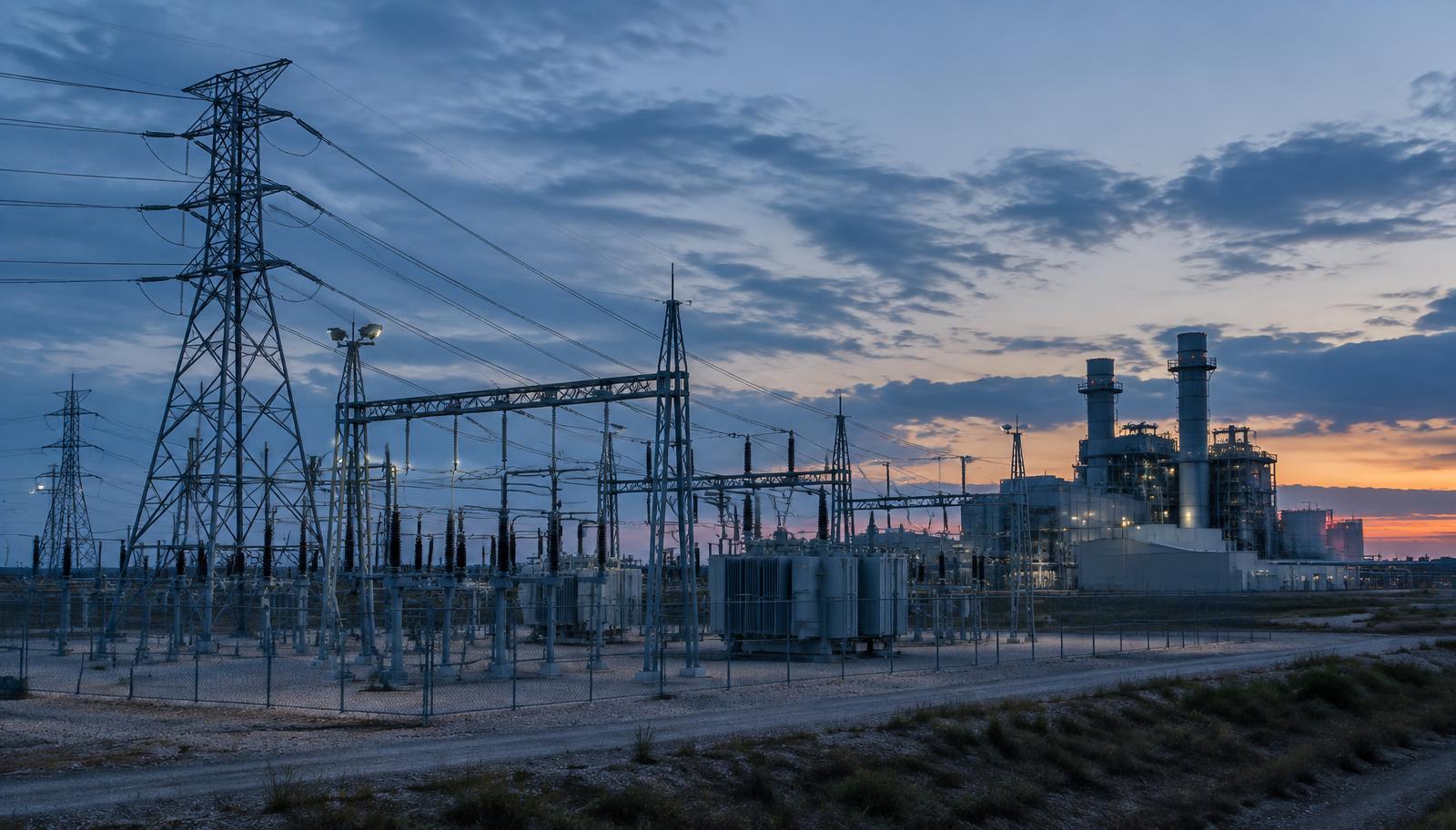
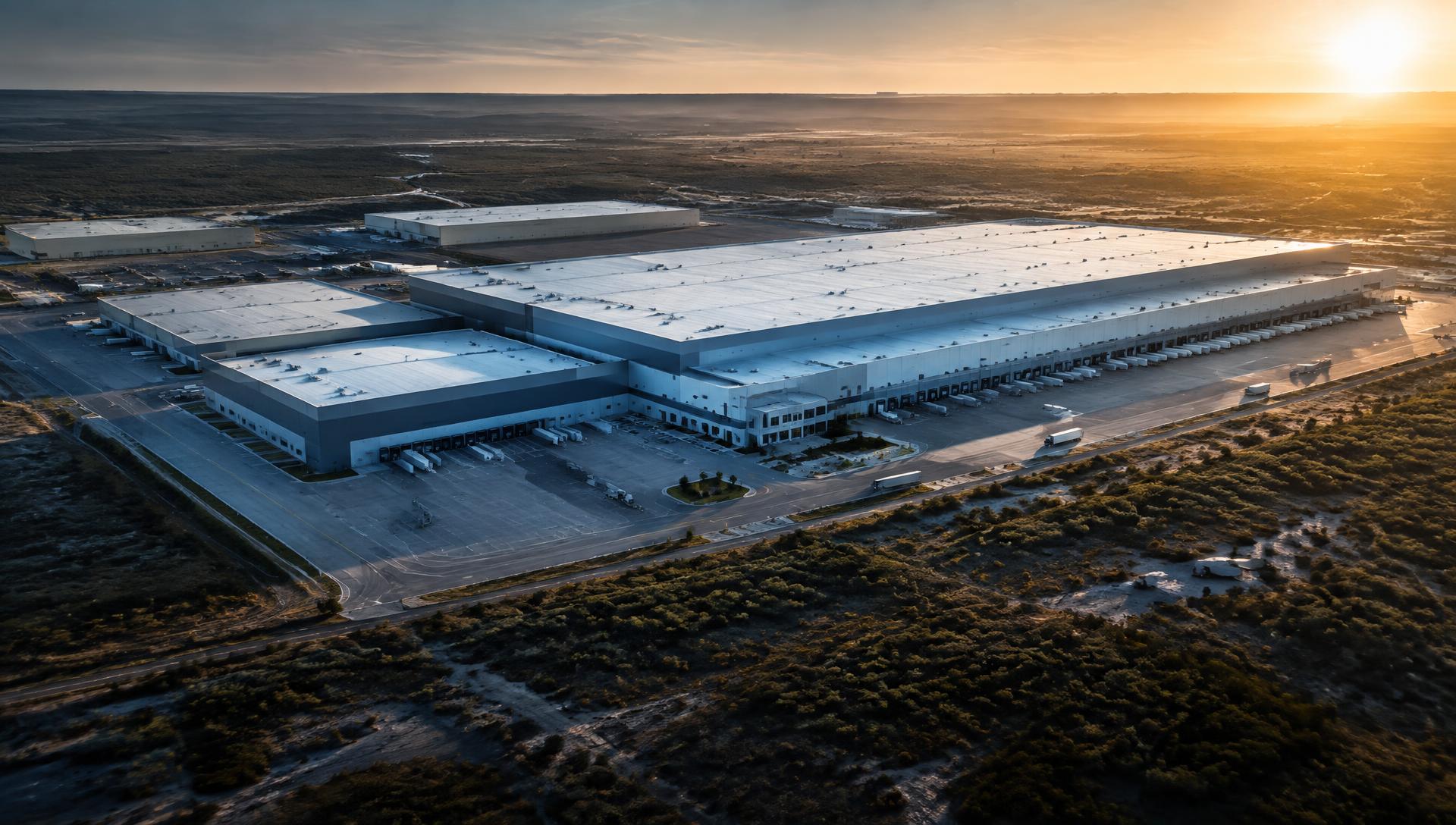
Aerial view of large distribution and cold-storage facilities in a South Texas landscape at sunset

One Company. Many Solutions.

Building Performance

Heat. Weather. Durability. Lifecycle Performance.

Building performance extends far beyond initial construction.

Over time, facilities are exposed to environmental conditions, operational demands, maintenance decisions, aging building systems, and evolving performance expectations. These factors can influence thermal performance, weather resilience, asset condition, operating requirements, and long-term ownership strategies.

ICSD Building Performance helps owners, developers, municipalities, operators, and facility stakeholders evaluate opportunities to improve how buildings perform throughout their lifecycle.

Through assessment, technology evaluation, performance-focused solutions, and lessons learned from the built environment, ICSD helps stakeholders make informed decisions regarding facility performance and long-term ownership objectives.

How Building Performance Works

Assess. Improve. Recover.

  1. 01

    Assess

    Establish a baseline understanding of facility conditions, environmental exposure, operational considerations, and ownership objectives.

  2. 02

    Improve

    Evaluate technologies, strategies, and implementation opportunities aligned with stakeholder goals and facility requirements.

  3. 03

    Recover

    Support asset preservation, facility stewardship, and long-term ownership objectives through informed decision-making.

Building Performance Assessments

Every facility is different.

Building Performance Assessments

In Development

Before evaluating specific technologies, restoration strategies, or improvement projects, stakeholders may benefit from an organized review of facility conditions, operational considerations, environmental exposure, and long-term ownership goals.

ICSD is currently developing its Building Performance Assessment framework as part of its ongoing evaluation of technologies, methodologies, and best practices related to Heat, Weather, Durability, and Lifecycle Performance.

Future assessment capabilities may include:

  • Facility observations
  • Roof-condition reviews
  • Thermal-performance evaluations
  • Asset-condition assessments
  • Documentation support
  • Performance evaluations

Building Performance Assessments Coming Soon
Four Pillars

Heat. Weather. Durability. Lifecycle Performance.

Heat

Understanding Thermal Performance

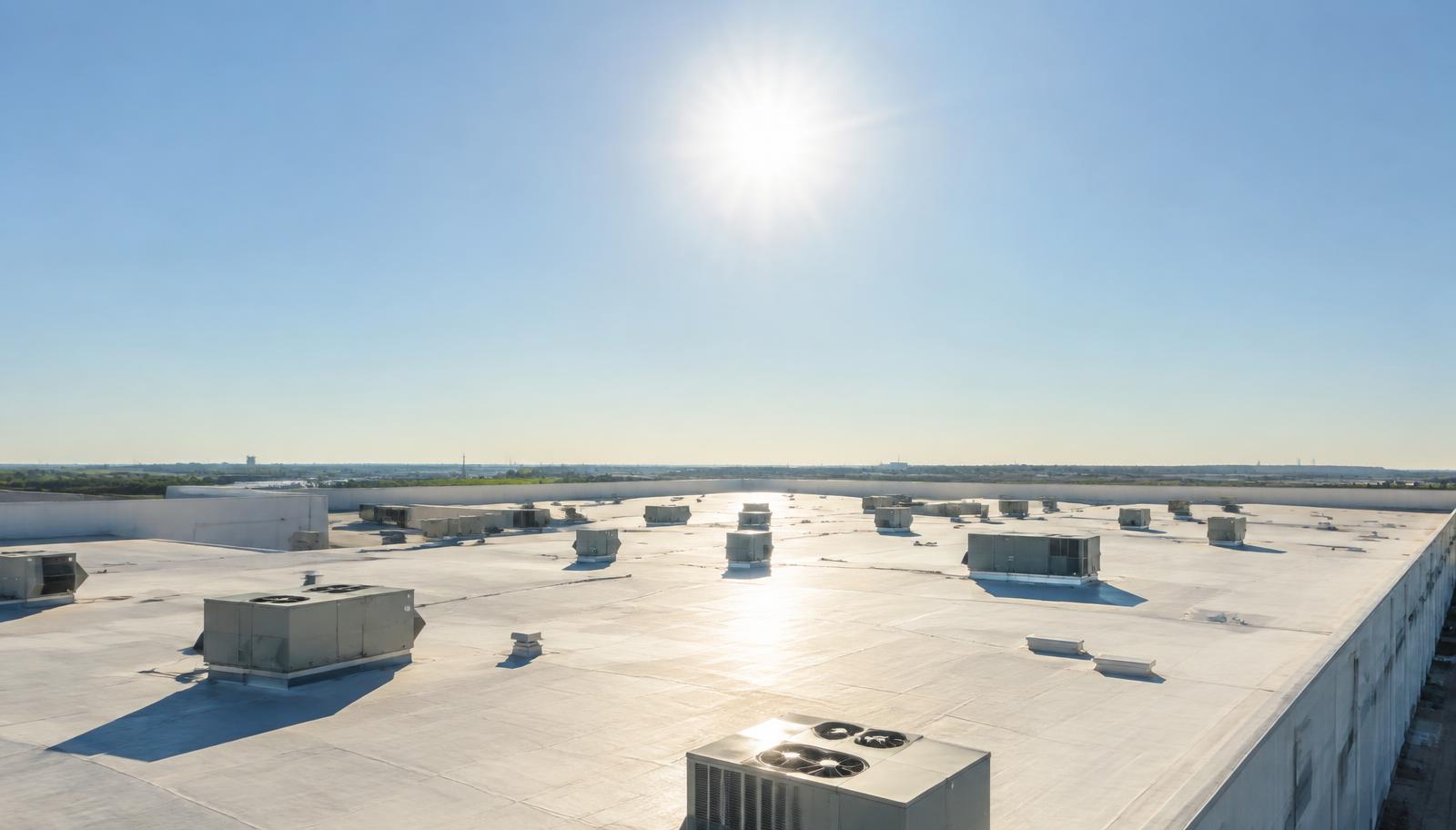
Heat can influence building operations, occupant comfort, equipment conditions, cooling requirements, refrigeration demand, and facility-management considerations.

Areas of Interest

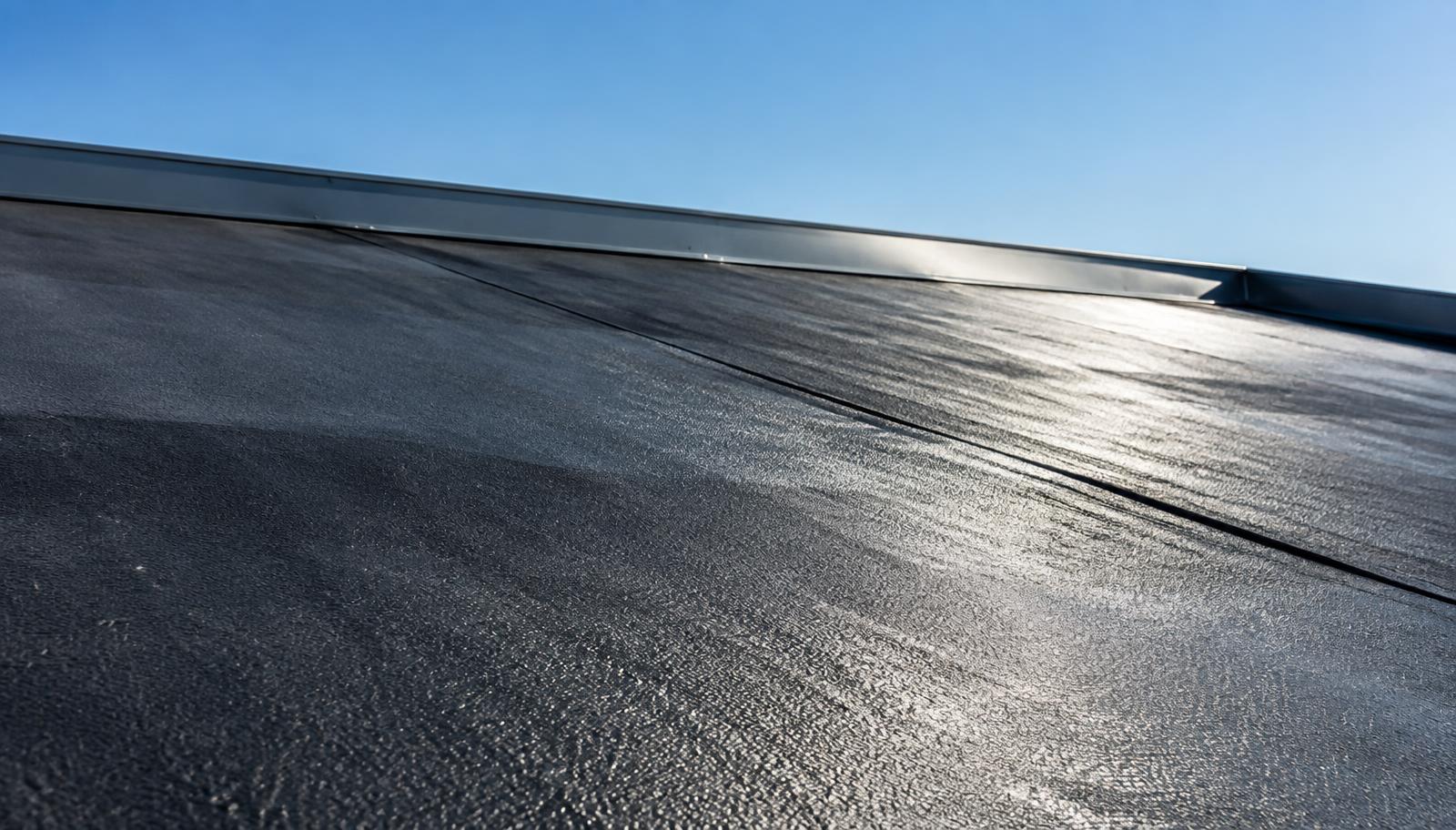
  • Roof thermal performance
  • Solar heat exposure
  • Thermal-management technologies
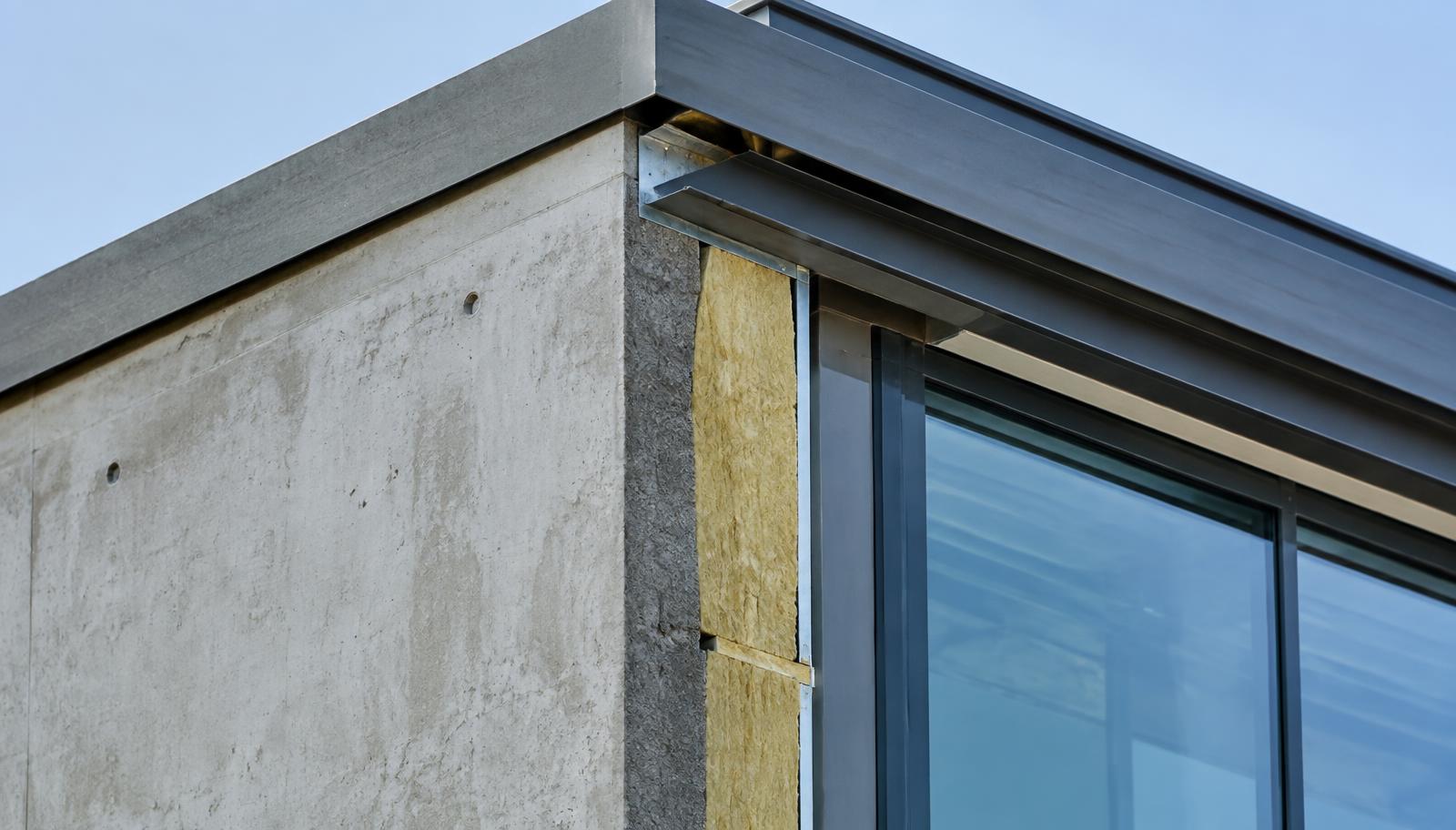
  • Building-envelope considerations
  • Facility-specific operating conditions

Applications

  • Warehousing
  • Distribution
  • Manufacturing
  • Cold Storage
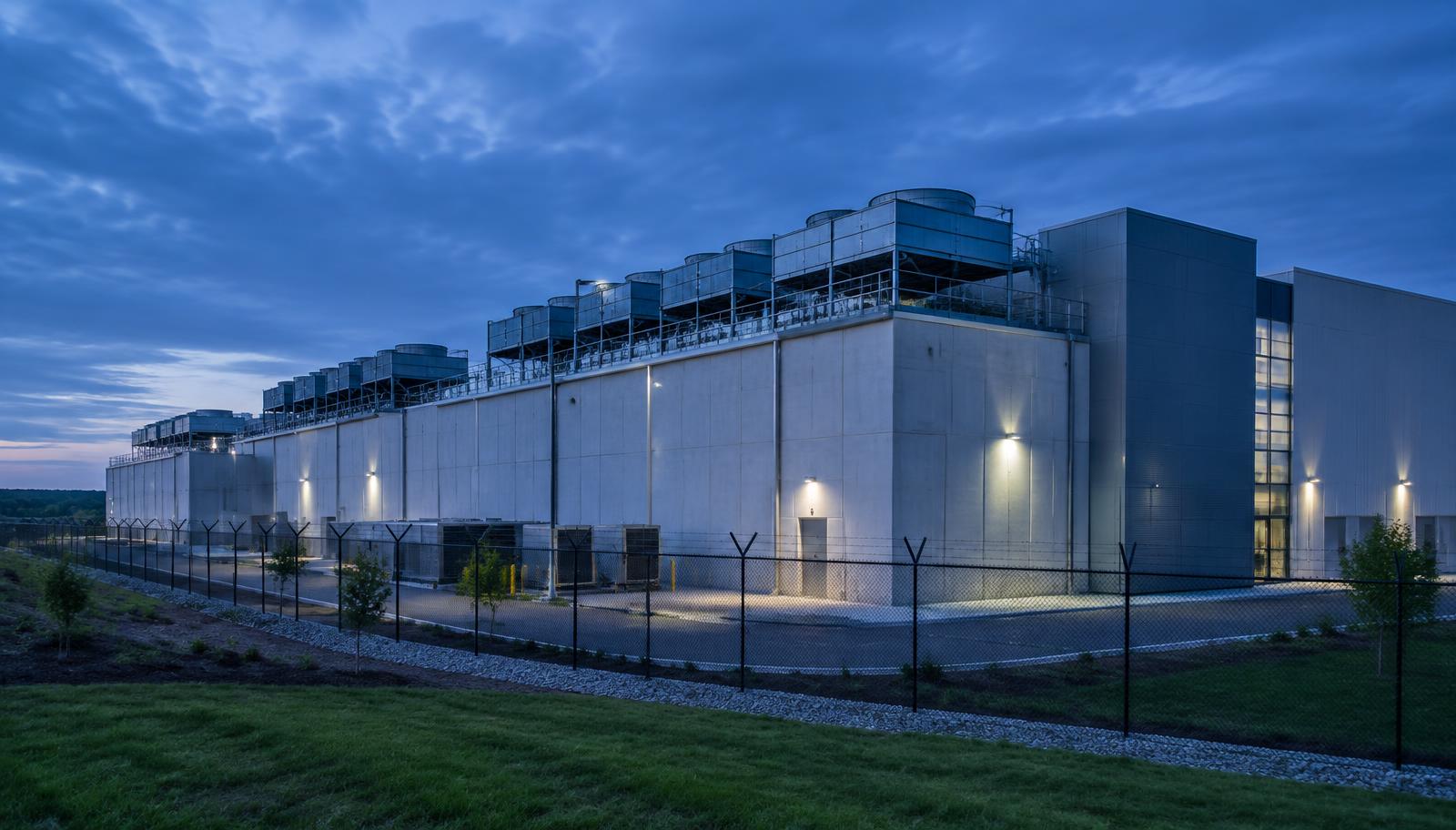
  • Data Centers
  • Commercial Facilities

Weather

Evaluating Environmental Exposure

Buildings face continual exposure to environmental conditions that may influence durability, maintenance requirements, and long-term performance.

Areas of Interest

  • Hail
  • UV exposure
  • Moisture intrusion
  • Wind-driven rain
  • Thermal cycling
  • Environmental wear

Durability

Supporting Long-Term Asset Preservation

Durability plays an important role in ownership planning, maintenance strategies, and facility operations.

Areas of Focus

  • Asset preservation
  • Maintenance planning
  • Roof condition management
  • Building-system durability
  • Long-term stewardship

Lifecycle Performance

Supporting Long-Term Ownership Objectives

Facility decisions often involve balancing operational requirements, maintenance obligations, planning priorities, and ownership goals.

Areas of Interest

  • Asset-condition assessments
  • Lifecycle planning
  • Long-term ownership strategies
  • Capital-planning considerations
  • Resilience planning

Solution Areas

Where the work concentrates.

  • Roofing Technologies

    In Development

    Technologies intended to support thermal-performance, weather-resilience, and asset-preservation objectives.

  • Thermal Management

    In Development

    Approaches intended to address heat-transfer considerations and facility thermal-management challenges.

  • Building Envelope Performance

    In Development

    Solutions focused on how roofing, walls, insulation systems, and related components function together.

  • Energy Performance Initiatives

    In Development

    Projects intended to evaluate operational efficiency and building-performance considerations.

Industries Served

Facilities where performance carries weight.

Resources & Learning Center

Continue Exploring Building Performance

Building Performance extends beyond a single solution or technology.

Additional resources are available to support owners, developers, municipalities, engineers, architects, facility operators, and contractors.

Why ICSD

Built From Real-World Experience

ICSD was not created around a single product or technology.

It emerged from decades of observing how buildings are designed, constructed, operated, maintained, repaired, and improved over time.

Building Performance applies those lessons to help stakeholders better understand challenges, evaluate opportunities, and make informed decisions regarding the future performance of their facilities.

Ready to Evaluate Building Performance?

Whether the objective involves thermal management, weather resilience, asset preservation, or lifecycle planning, ICSD can help stakeholders better understand current conditions and evaluate opportunities aligned with facility goals.